
Confidence and Brazilian Jiu-Jitsu: How BJJ Builds Confidence Beyond the Mats
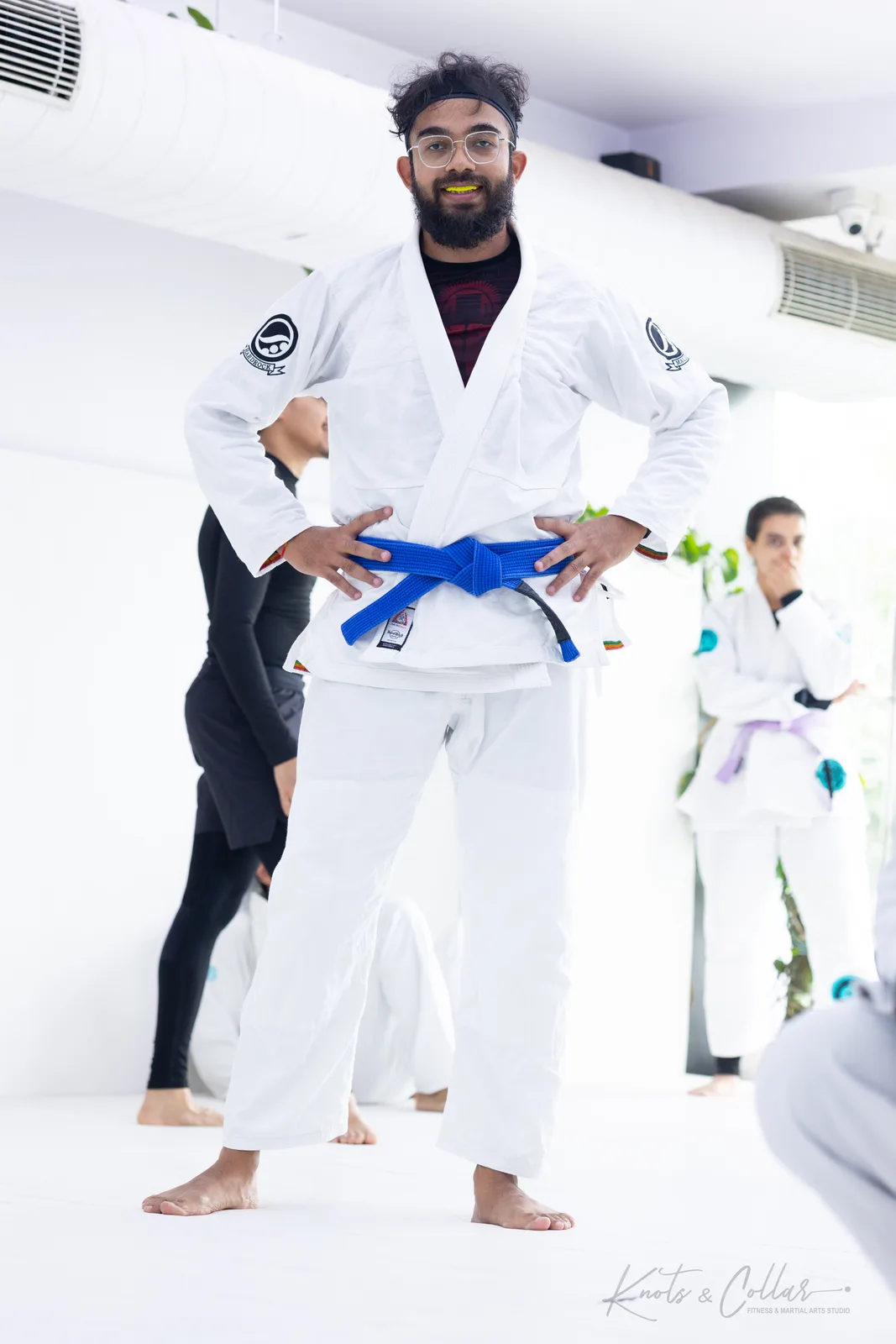
A guest piece by Devanshu Bajpai, who trains at Knots & Collar in Defence Colony.
When people think about Brazilian Jiu-Jitsu, they usually think about submissions, self-defence, fitness, or competition. What often gets overlooked is one of the most valuable things the sport develops: confidence.
Not the loud kind. Not the confidence that makes someone the most outspoken person in the room. The quieter kind — the kind that changes how a person carries themselves, how they react under pressure, and how they interact with people in everyday life.
What is interesting is that BJJ does not set out to teach confidence. There are no classes on self-esteem and no techniques dedicated to building it. In fact, the journey often begins in the opposite direction. Most people walk into their first class believing they are tougher, stronger, or more capable than they really are. Within minutes, they discover how much they do not know. They get swept. They get pinned. They get submitted. And they quickly realise there are levels to everything.
Surprisingly, that is where confidence begins.
The confidence that comes from reality
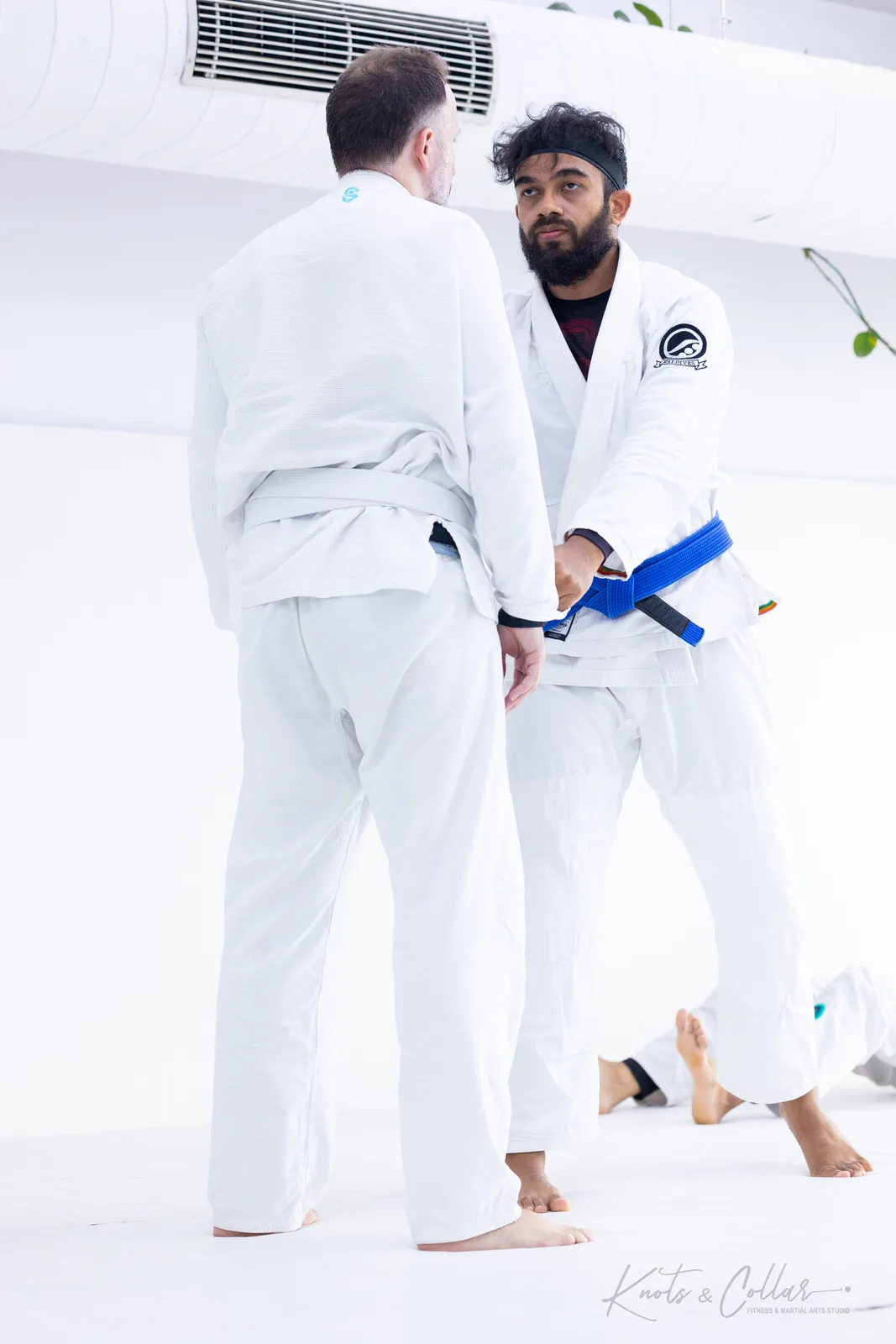
Unlike many things in life, nothing in Brazilian Jiu-Jitsu can be bought. You cannot buy experience. You cannot buy composure. You cannot buy the ability to stay calm when someone is applying pressure. You cannot buy respect from your training partners. And while a belt may be tied around your waist, the knowledge and confidence behind it must be earned.
The mats are remarkably honest. You cannot negotiate a sweep. You cannot talk your way out of a bad position. You cannot convince your training partner that a technique worked when it did not. Progress cannot be faked. It has to be earned.
Every practitioner remembers the small victories that marked their progress. Surviving a round that once felt impossible. Escaping a position that used to lead to immediate submissions. Successfully applying a technique that had failed dozens of times before. Those moments matter because they are real. Over time, they become evidence — evidence that difficult things can be learned, that improvement is possible, that challenges can be overcome. That evidence becomes confidence.
Chosen suffering
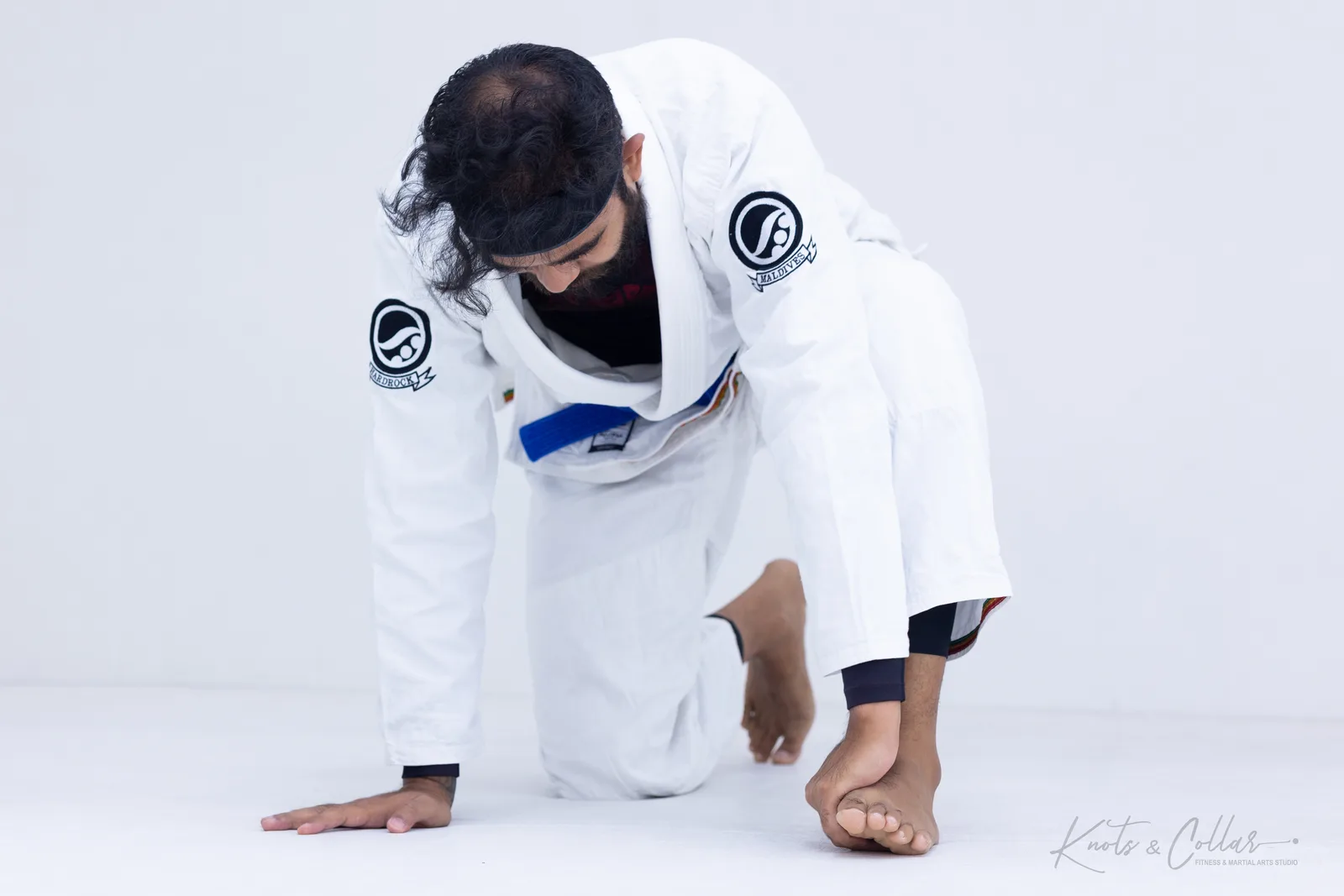
One reason BJJ develops confidence so effectively is that it is, in many ways, a form of chosen suffering. People willingly place themselves in uncomfortable situations several times a week. They train when they are tired. They struggle through difficult rounds. They spend long periods feeling stuck. They fail repeatedly while learning new skills. And yet they keep returning.
There is something powerful about voluntarily doing hard things. Modern life often encourages comfort, convenience, and avoiding discomfort whenever possible. BJJ does the opposite. It teaches people to become comfortable with discomfort. Over time, practitioners stop viewing every difficult situation as something to avoid and begin to see challenges as something to work through. That mindset rarely stays on the mats.
Learning to stay calm
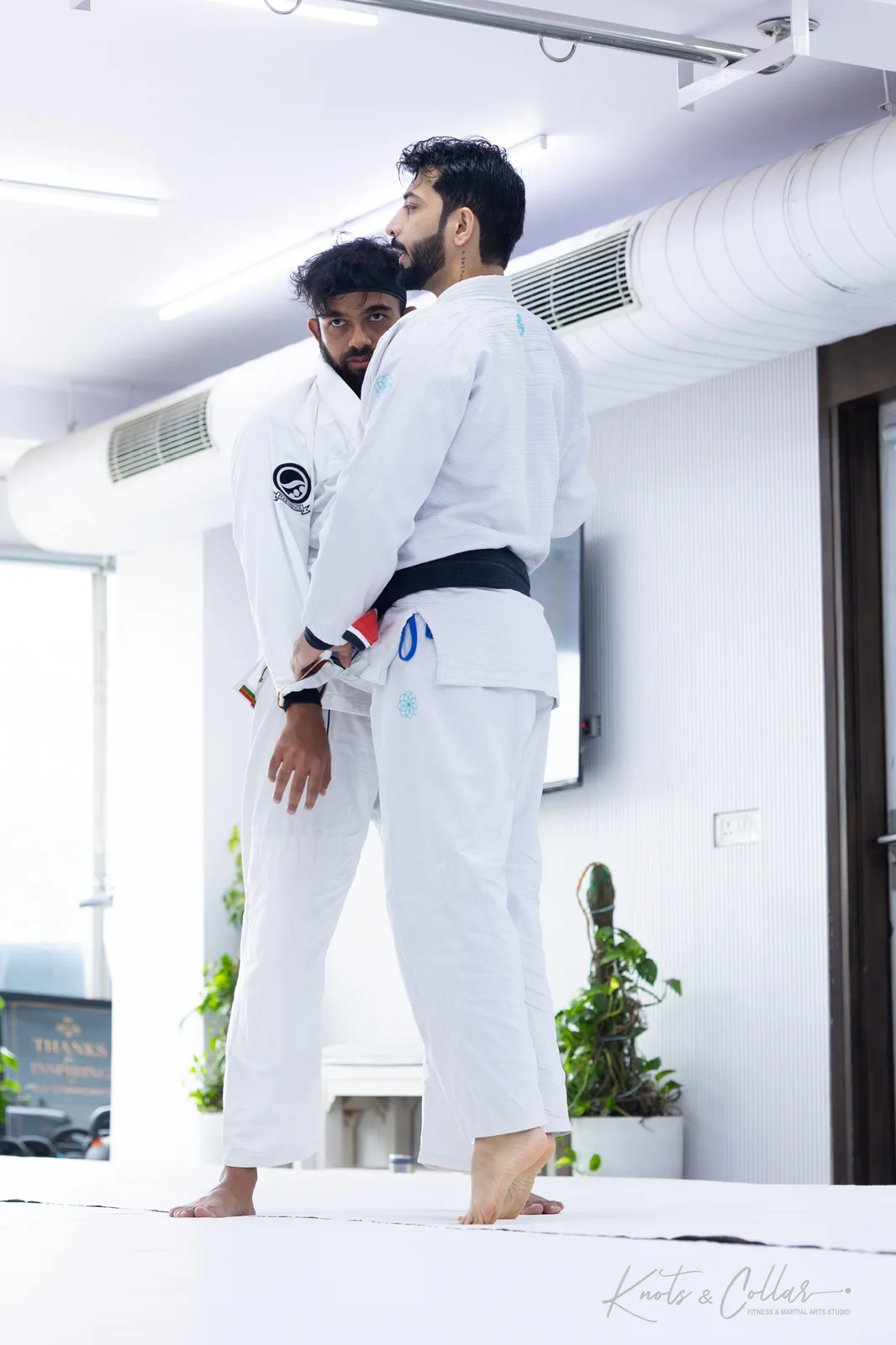
One of the most underrated skills in BJJ is the ability to remain calm when things are not going well. Beginners often react to pressure with panic. Experienced practitioners learn to slow down, assess the situation, and look for solutions. That lesson extends far beyond grappling. Whether it is a difficult conversation, a presentation, an exam, a job interview, or a stressful project, the ability to stay composed is often built the same way: through repeated exposure to pressure.
BJJ teaches something that many people spend years trying to learn: pressure is not the same thing as danger. The confidence developed through BJJ is not the belief that nothing bad will happen. It is the belief that difficult situations can be handled.
The changes people notice
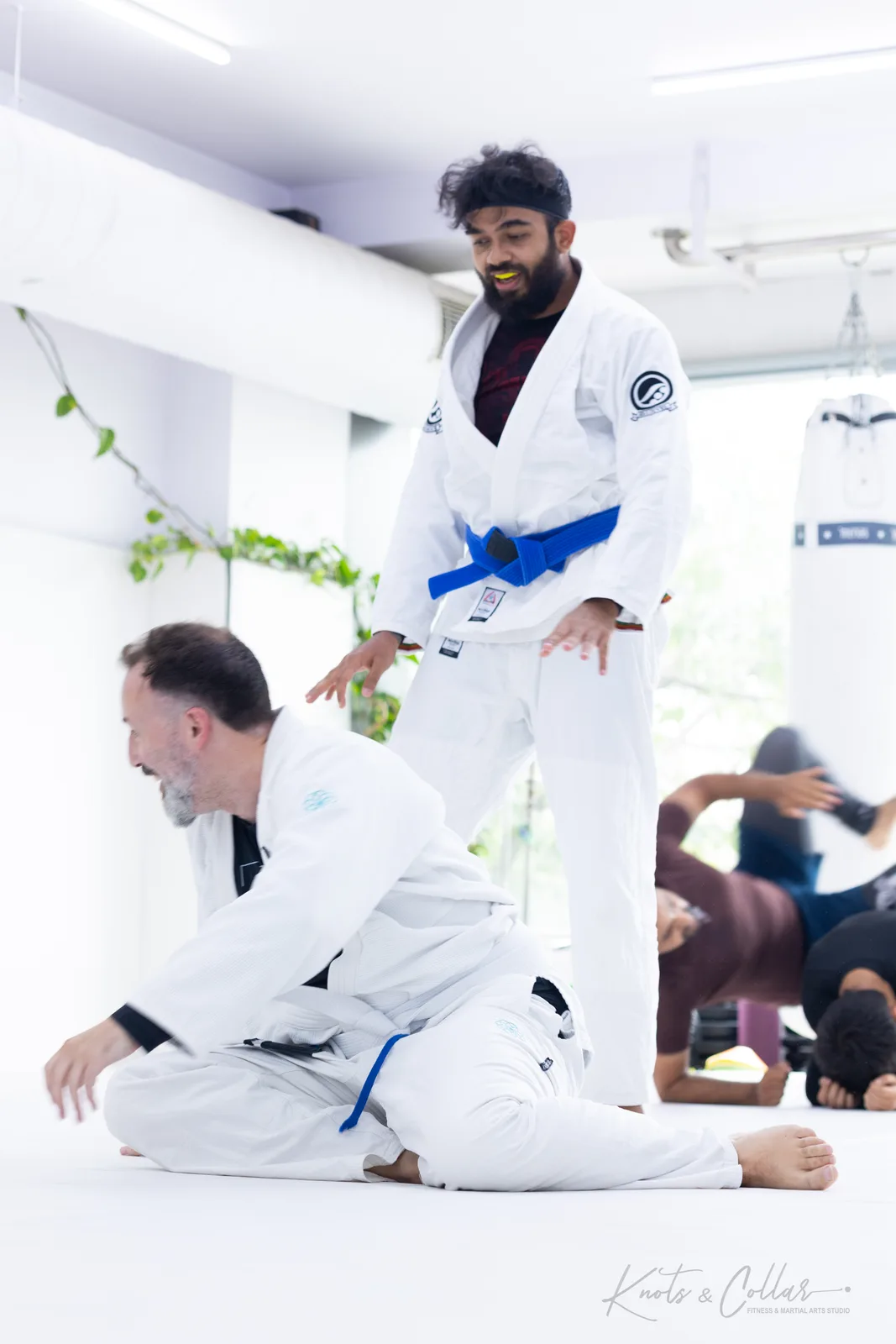
Interestingly, confidence from BJJ often appears in subtle ways. People become more comfortable making eye contact. They speak with less urgency. They listen more. They stop feeling the need to prove themselves in every conversation. Many practitioners even smile more — not because life suddenly becomes easier, but because they become more comfortable with themselves.
One of the more surprising outcomes of long-term training is that many practitioners become kinder, not harsher. People often assume martial arts create tougher people. In reality, the confidence developed through BJJ frequently reduces the need to prove toughness at all. When someone knows they can handle themselves, they are often more patient, more understanding, and less likely to react emotionally. They become more comfortable walking away from unnecessary conflict, more willing to listen, and secure enough to treat others with respect.
There is an old idea that kindness is weakness. BJJ often teaches the opposite: that genuine kindness is easier to find in people who no longer feel the need to constantly prove their strength. The result is a calm confidence that people tend to notice immediately, even if they cannot explain why. It shows up in posture. In body language. In the way someone enters a room or shakes a hand. Not as intimidation. Not as arrogance. Just quiet confidence.
What BJJ teaches children

The impact can be even more noticeable in children. Many parents enrol their kids in BJJ hoping they will learn self-defence. What they often notice instead is a change in character.
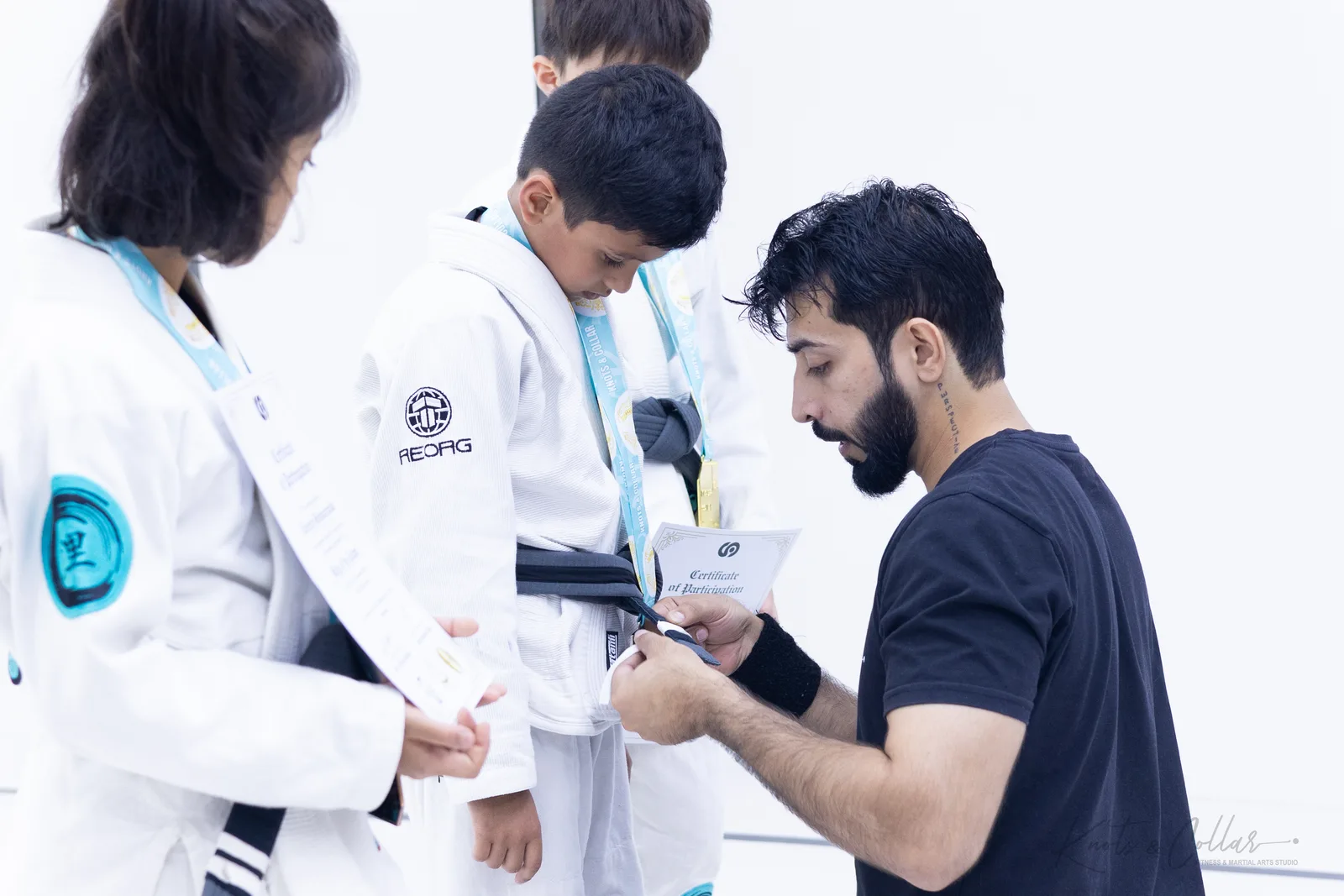
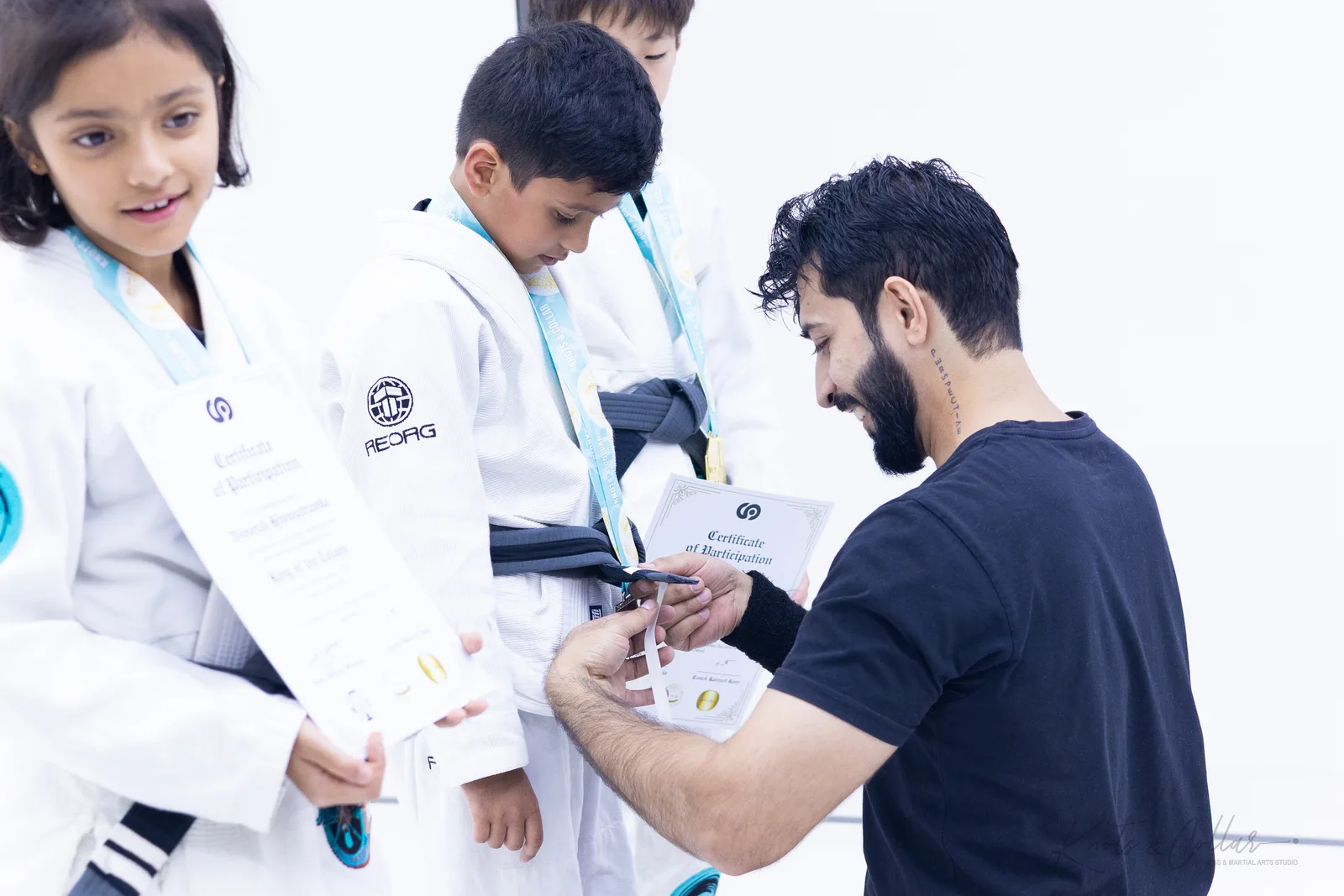
Children learn how to lose. They learn how to win. More importantly, they learn that neither outcome defines them. They discover that progress takes time and that frustration is part of learning. A child who spends years training develops an understanding that confidence is built through effort rather than praise alone.
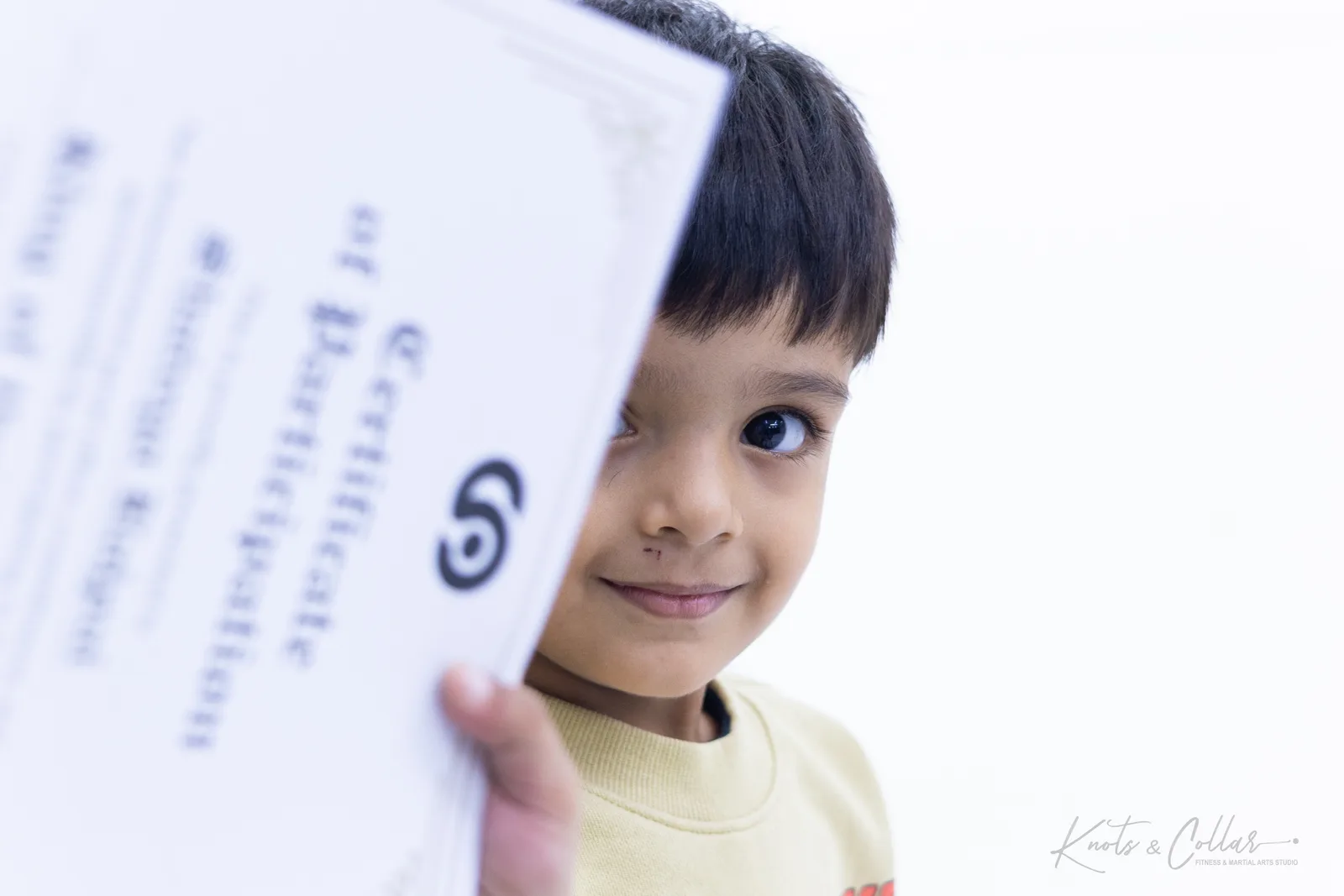
Many become more willing to participate in class, speak up, make friends, and try new activities, because they have already learned an important lesson: being bad at something today does not mean being bad at it forever. That mindset can be powerful both in school and later in life.
Human chess
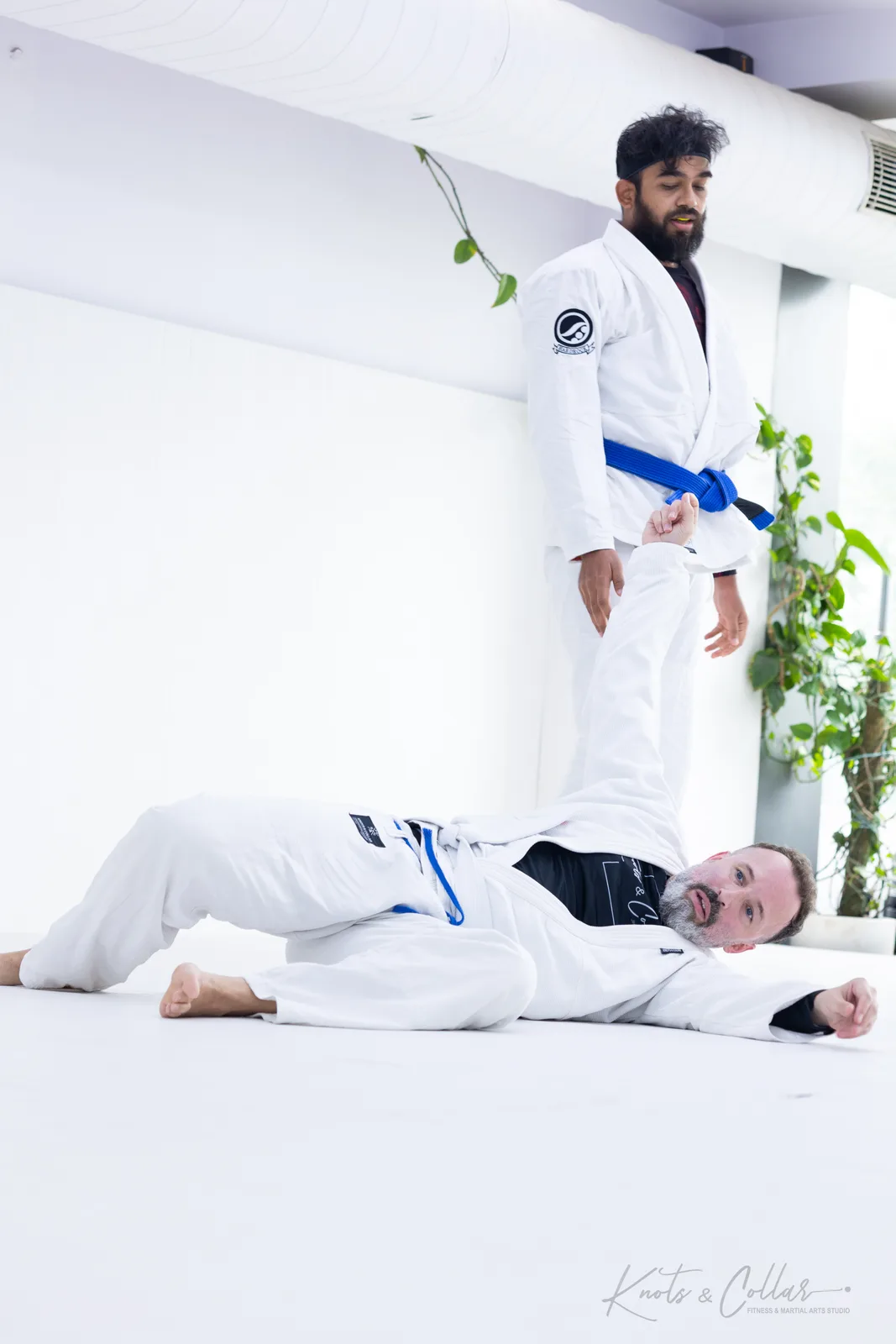
After a few years of training, something else begins to happen. Practitioners start seeing patterns. There is a reason BJJ is often called "human chess." Success rarely depends on a single move. It comes from anticipating reactions, recognising sequences, and understanding how one action creates the conditions for the next. What looks chaotic to a beginner starts to become predictable. A certain grip leads to a particular reaction.
They anticipate problems before they become crises. They identify opportunities that others might miss. BJJ does not directly teach business, leadership, or psychology. Yet years of observing cause and effect under pressure seem to sharpen a person's ability to recognise patterns in many other areas of life.
Perhaps this is one reason many experienced practitioners appear calm. They understand that most outcomes rarely happen suddenly. A submission is often decided several movements before the tap. A bad position is usually created by a mistake that happened earlier. The same is often true in life.
Confidence without arrogance
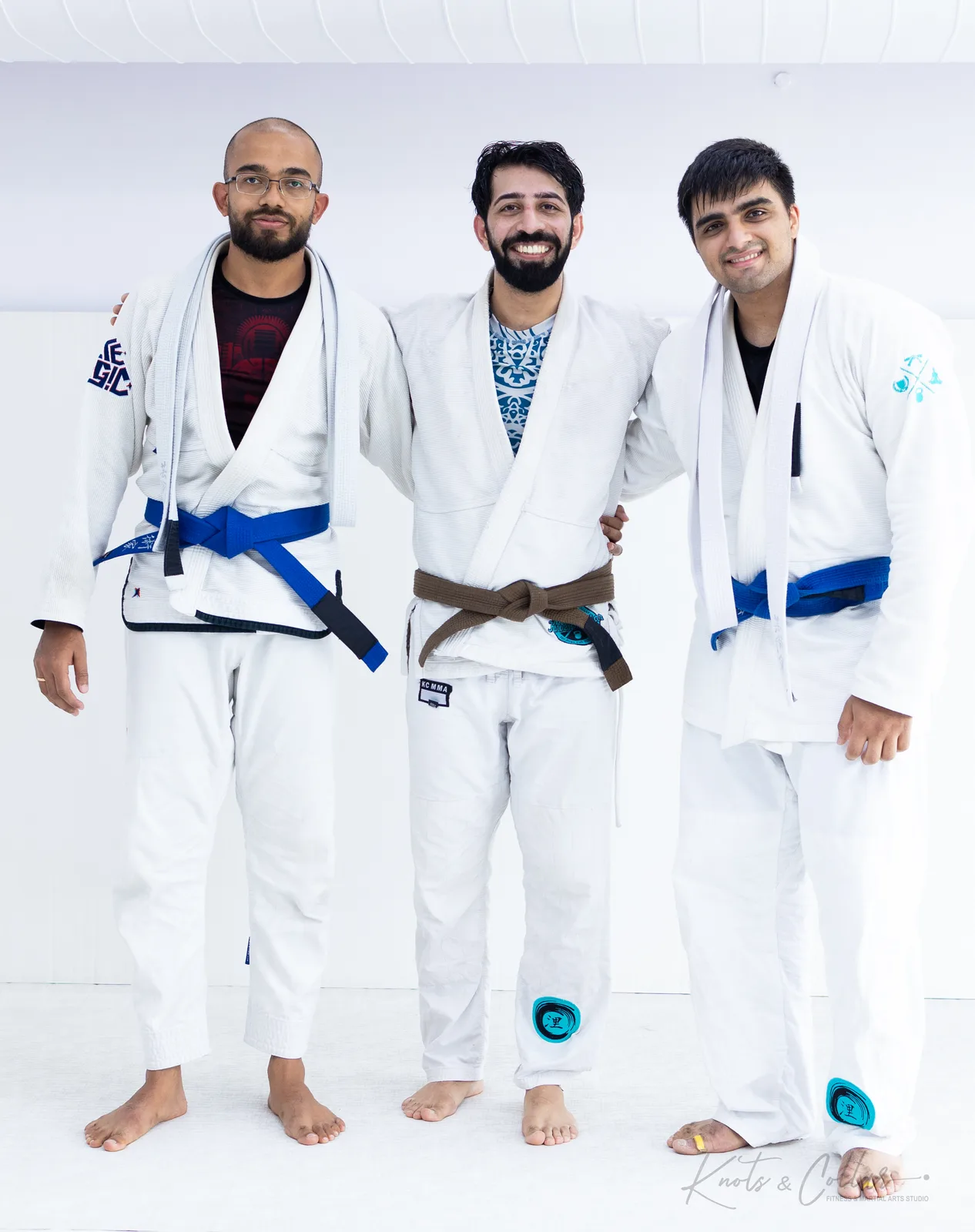
Perhaps the most distinctive aspect of BJJ is that it tends to create confidence without arrogance. No matter how skilled someone becomes, there is always another lesson to learn. There is always someone better. There is always a mistake waiting to be corrected. The sport has a way of keeping people grounded.
As a result, many long-term practitioners develop confidence that is rooted in reality rather than ego. They know what they can do. They know what they still need to improve. And they become comfortable with both.
The real reward
Most people begin Brazilian Jiu-Jitsu for fitness, competition, self-defence, or curiosity. Many stay because of the friendships and community. But years later, one of the most valuable rewards is often something they never expected: a quieter confidence. A calmer presence. A greater ability to handle pressure. An eye for patterns that others may not yet see.
The greatest confidence developed through Brazilian Jiu-Jitsu is not the belief that nothing bad will happen. It is the belief that whatever happens can be dealt with. That belief cannot be bought. It cannot be borrowed from someone else. It can only be built through years of showing up, struggling, learning, failing, and improving.
The lessons learned on the mats rarely stay there. They slowly appear in classrooms, offices, boardrooms, customer meetings, interviews, and everyday conversations. Not all at once. Just one training session at a time.
Common questions about confidence and BJJ
Does Brazilian Jiu-Jitsu build confidence?
Yes, though rarely in the way people expect. BJJ does not teach confidence directly — there are no self-esteem drills. It builds confidence as a by-product of real experience: surviving a hard round, escaping a bad position, landing a technique that failed many times before. Those small, honest victories accumulate into evidence that difficult things can be learned, and that evidence becomes a quiet, durable confidence.
How does BJJ help with confidence beyond the mats?
The main skill BJJ trains is staying calm when things are not going well. Beginners panic under pressure; experienced practitioners slow down, assess, and look for a solution. That habit carries into difficult conversations, presentations, exams and interviews. BJJ teaches that pressure is not the same thing as danger — the confidence it builds is not the belief that nothing bad will happen, but the belief that whatever happens can be handled.
Is Brazilian Jiu-Jitsu good for a child's confidence?
Many parents enrol a child hoping for self-defence and notice a change in character instead. Children learn how to win, how to lose, and that neither outcome defines them. They discover progress takes time and that frustration is part of learning. That lesson — being bad at something today does not mean being bad at it forever — tends to show up in the classroom and in how willing a child is to speak up and try new things.
Does jiu-jitsu make you more aggressive?
Long-term training usually does the opposite. When someone knows they can handle themselves, the need to prove toughness falls away. Practitioners often become more patient, more willing to listen, and quicker to walk away from unnecessary conflict. There is an old idea that kindness is weakness; jiu-jitsu tends to teach the reverse — that genuine kindness is easier to find in people who no longer feel the need to constantly prove their strength.
Curious where your own confidence might go? Your first class at Knots & Collar is free — no gi needed. Book a trial, or read more about our gi jiu-jitsu and kids jiu-jitsu classes — or how that same composure carries into work in jiu-jitsu for entrepreneurs.