
How to Start Brazilian Jiu-Jitsu in India: A Beginner's Guide
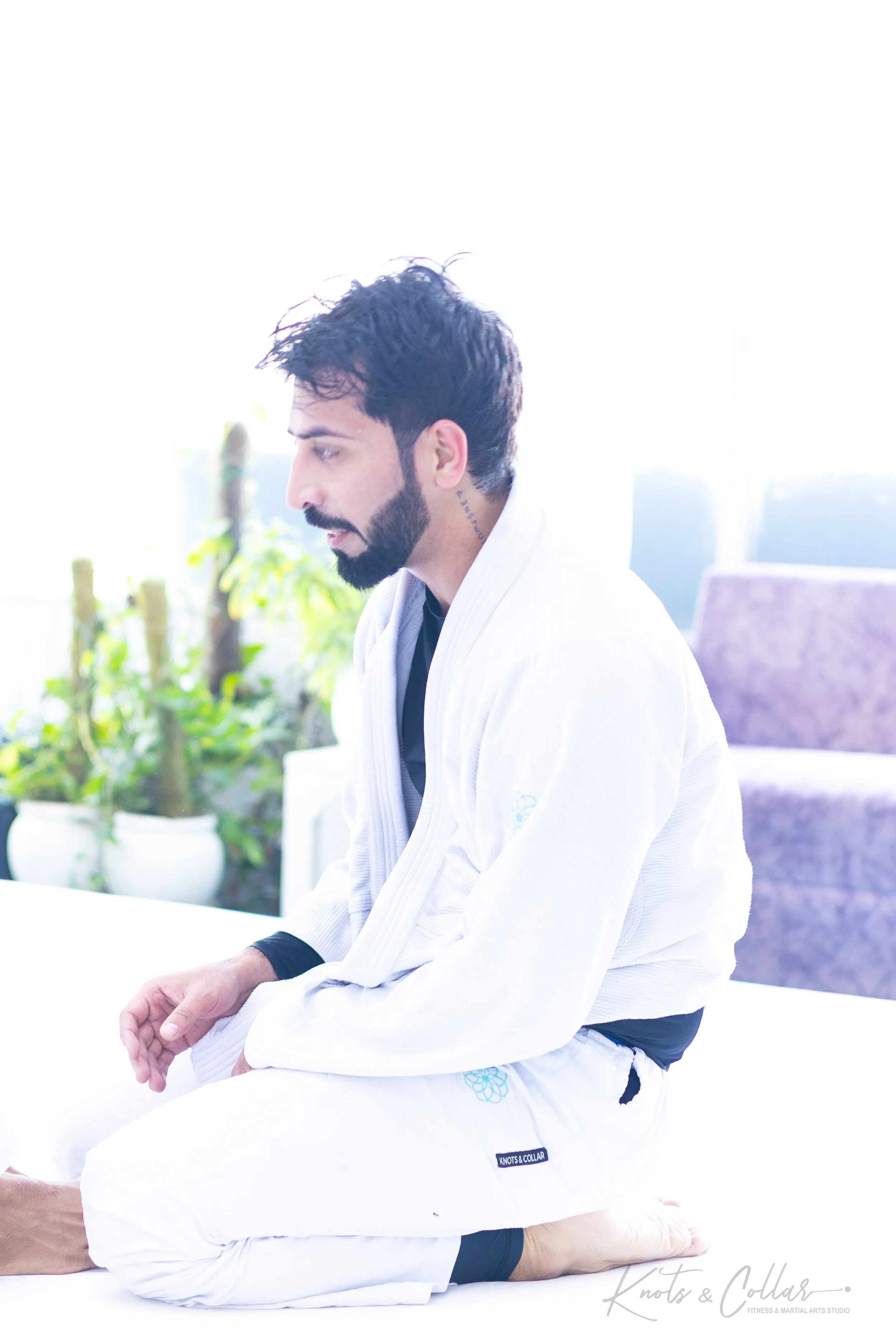
Starting a new sport as an adult can feel like standing at the edge of a room you are not sure you belong in. Brazilian Jiu-Jitsu is gentler to begin than it looks from the outside. This is a warm, practical guide to how a complete beginner, anywhere in India, can take the first step, find a good academy, and keep coming back.
What Brazilian Jiu-Jitsu actually is
Brazilian Jiu-Jitsu is a grappling art. There is no striking. You learn to control another person and to escape being controlled, using leverage, angle and timing rather than size or strength. That is what makes it such a good fit for ordinary people: a smaller, calmer person who understands the mechanics can hold their own against someone bigger who does not. You practise on a soft mat, in close contact, at a pace the room sets for you.
If you have been searching for how to start Brazilian Jiu-Jitsu in India, the honest answer is that the sport has grown quietly across the country over the last decade. There are now dedicated academies in most large cities, and a community that is welcoming to beginners. You do not need to have wrestled, boxed or done anything athletic before. You need a place to train and the willingness to turn up.
How to find a good academy near you
The most important decision you make is where you train, and it is worth taking a little care over it. A good academy is not hard to recognise once you know what to look for. Rather than compare places against one another, judge each one against a simple, positive picture of what good looks like, and trust what you see when you walk in.
Look for qualified, lineage-based instruction. Brazilian Jiu-Jitsu is passed hand to hand, teacher to student, and a legitimate instructor can tell you clearly who they learned from and where their belt comes from. That line of teaching is the guarantee behind what you are being shown. Our own instruction runs through the De La Riva lineage, and we are happy to explain exactly what that means to anyone who asks.
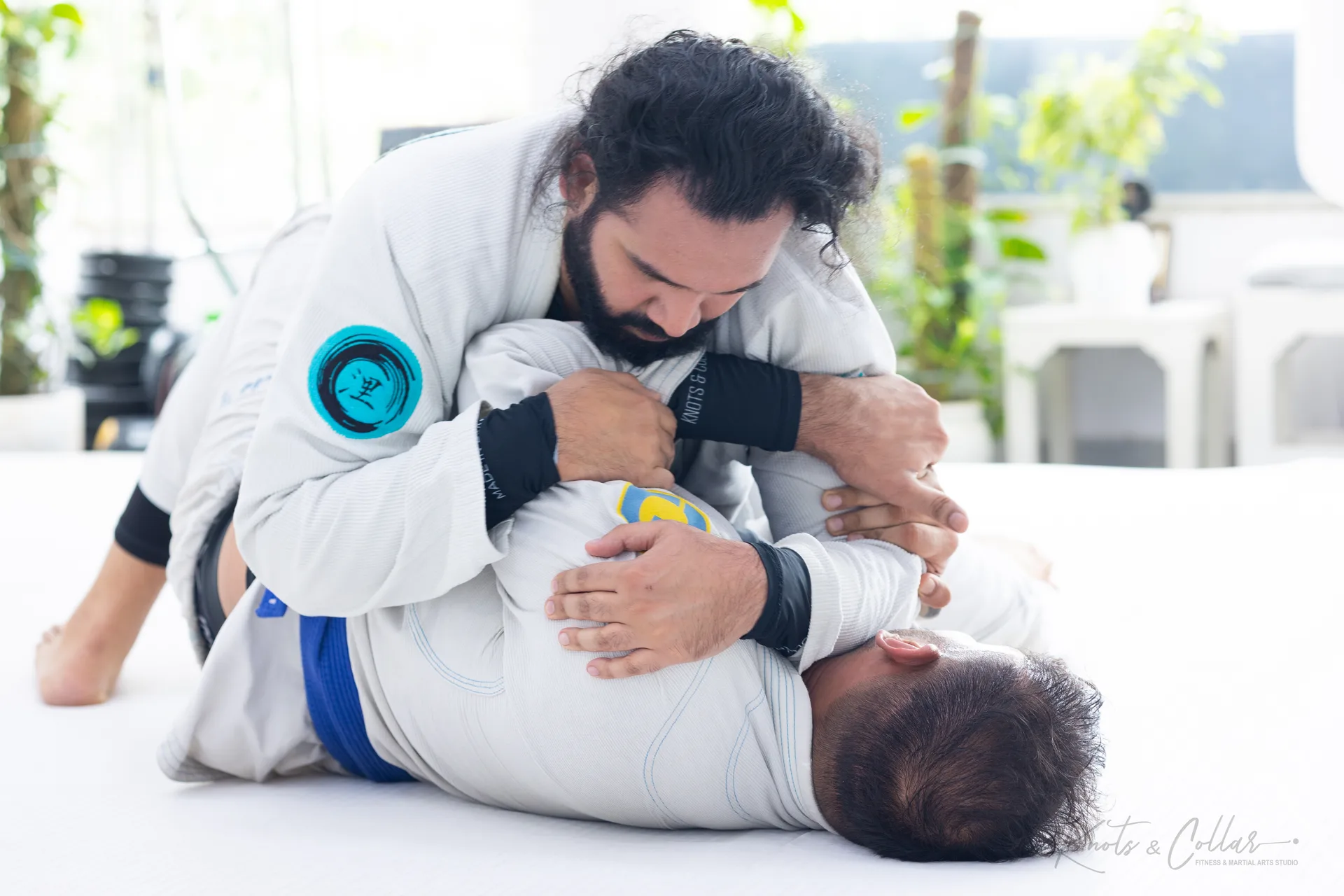
Look for a welcoming, safe room. In a well-run academy the beginners are looked after, the drilling is slow and deliberate, higher belts help lower belts rather than test them, and tapping is treated as normal and expected. You should feel able to ask a question without embarrassment. Kindness Over Toughness is not a slogan for us; it is how the room is meant to feel from your first minute in it.
Look for a consistent schedule. Skill in this sport comes from regular, unhurried repetition, so you want a place whose timetable fits your week and stays reliable. Classes seven days a week, at times you can actually make, matter far more than any single dramatic session. When you visit, notice whether the class times, the pricing and the trial are stated plainly. Clear, honest information is a quiet sign of a place that respects the people who train there.
What to expect in your first class
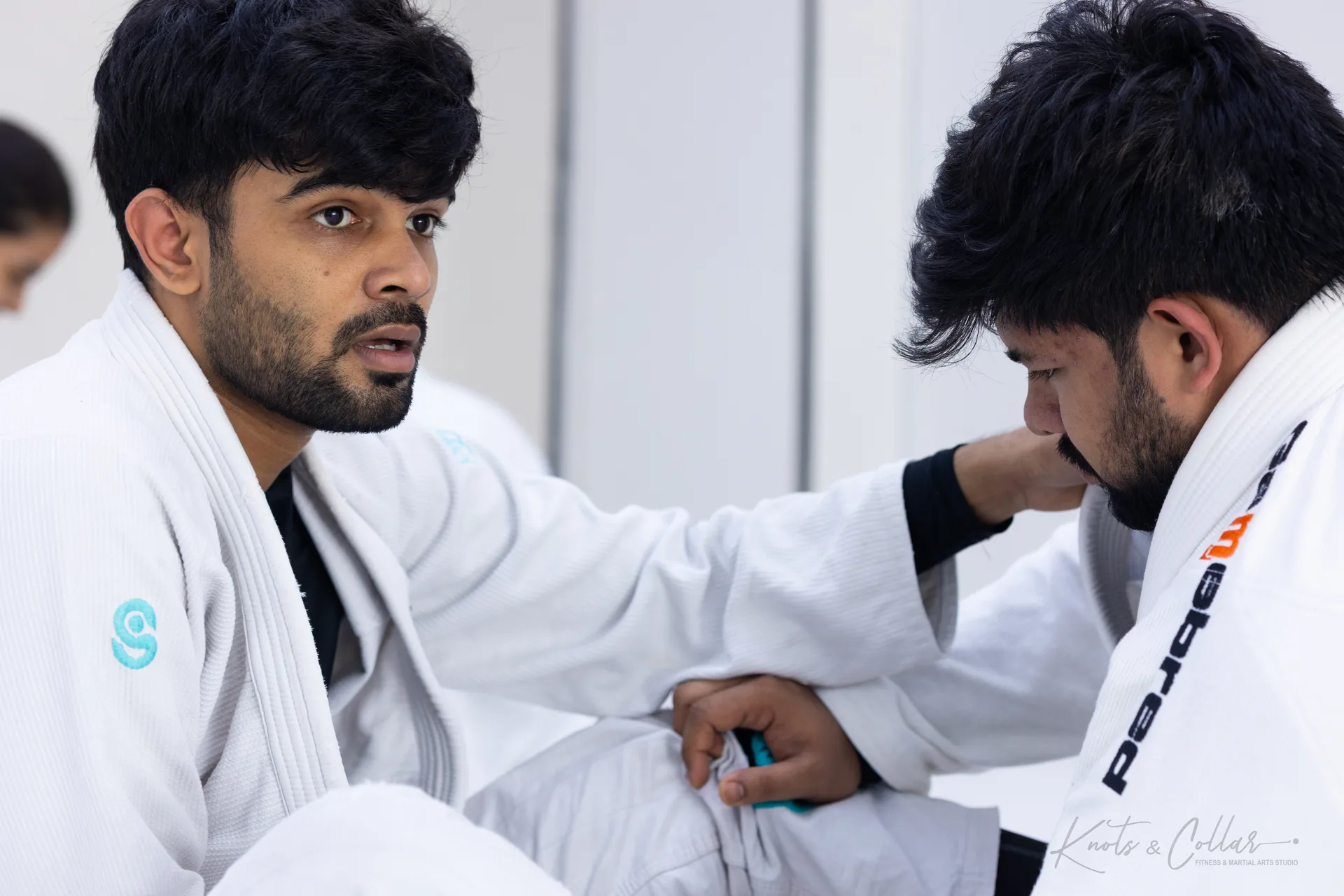
A first Brazilian Jiu-Jitsu class is calmer than most people fear. You will usually be greeted, shown where to change, and introduced to the instructor. The session tends to open with a warm-up and some movement drills that teach your body the basic shapes of the sport. Then the instructor demonstrates a technique, breaks it into steps, and you practise it slowly with a partner while they walk the room and correct you.
You are not expected to spar, compete or perform on day one. Beginners drill. If there is live practice at the end, you can watch, or take part gently against someone experienced who will look after you. The single skill you must learn early is the tap: a clear signal, usually two taps on your partner or the mat, that means pause. You tap early and often, and so does everyone else, all the way up to black belt. That is how a room stays safe enough to keep training for years.
What to wear and the kit you need
For your very first class you need almost nothing. Comfortable, close-fitting athletic clothing is plenty: a fitted t-shirt and shorts or leggings, with no zips, buttons or pockets that could catch a finger. Come with short nails, clean feet and a water bottle. Most academies train barefoot on the mat and ask you to wear slippers or sandals to and from it, which keeps the training surface clean for everyone.
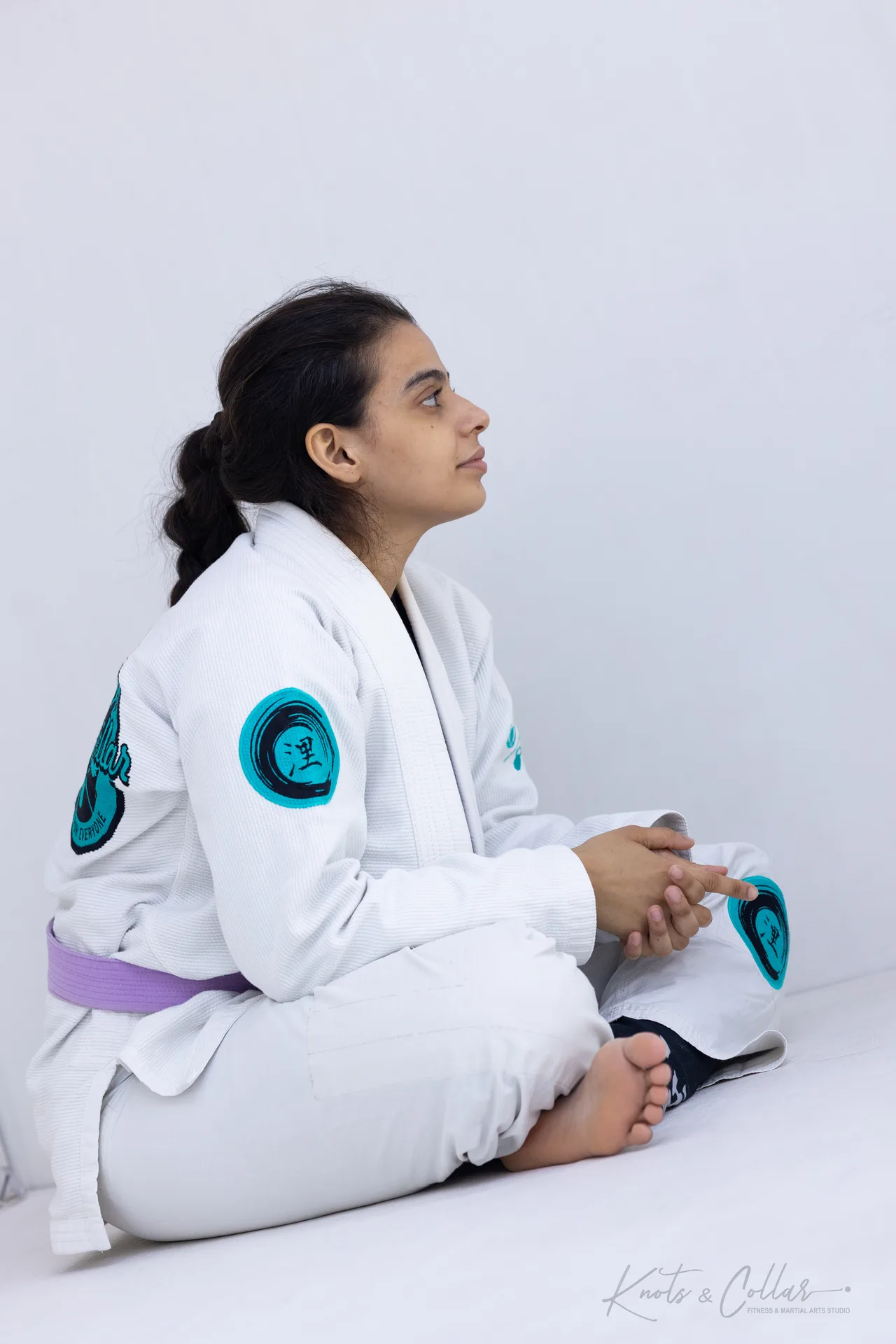
Brazilian Jiu-Jitsu is trained in two forms. In the Gi, you wear the traditional jacket, trousers and belt, and you grip the fabric. In No-Gi, you train in a rash guard and shorts and grip the body instead. We teach both Gi and No-Gi, and beginners are welcome in either. For a first class you do not need to buy a Gi; ask the academy and they will usually lend you one to borrow. When you are ready to buy your own kit, you can, and there is now good Made in Bharat gear so you can equip yourself without importing anything.
Taking a free trial
The best way to know whether an academy suits you is to stand on its mat, not to read about it. A trial class lets you feel the room, meet the instructor and the students, and see how beginners are treated before you commit to anything. We offer a free first class for exactly this reason: it should cost you nothing but an hour of your time to find out whether this is for you.
Before you go, a short message or call to check the beginner-friendly class times saves you turning up at an advanced session. Arrive ten minutes early, tell whoever greets you that it is your first class, and let them guide you. There is no test to pass. You are there to try something, and the whole room remembers being new. Whether you start at eight or thirty-eight, the door is the same door.
Building the habit of turning up
Here is the quiet truth about how to start Brazilian Jiu-Jitsu in India, or anywhere else: the people who get good are simply the people who keep coming back. Talent matters far less than attendance. Two classes a week, held steadily over a few months, will teach you more than occasional bursts of enthusiasm ever could. Progress is not a straight line, and everyone has awkward weeks, so treat each class as a small deposit rather than a performance.
Make it easy on yourself. Pick two class times that genuinely fit your week and protect them. Pack your bag the night before. Expect the first few weeks to feel clumsy, because that clumsiness is the sport being learned. Tap without ego, ask questions freely, and let the belt take care of itself. A place that trains seven days a week gives you room to miss a session and still keep your rhythm, which is exactly what a beginner needs while the habit is young.
Where to go from here
If you would like the fuller picture of the sport across the country, our complete guide to BJJ in India for 2026 is the natural next read. For a practical, step-by-step start in the capital, the beginner's checklist for starting BJJ in Delhi walks you through it, and our guide to Gi versus No-Gi will help you decide which suits you first. Alongside our own academy, there is real work underway to build the national federation for Brazilian Jiu-Jitsu in India, which is good news for anyone starting today.
When you are ready, the simplest step is to come and see a class in person. You are warmly welcome to schedule a visit, watch a session, and take your free first class in Defence Colony, New Delhi. No experience needed, verified, always. We look forward to meeting you on the mat.
FAQs
Do I need to be fit to start Brazilian Jiu-Jitsu in India?
No. You start from where you are. Brazilian Jiu-Jitsu is a skill you learn slowly, and your fitness grows through turning up rather than being a condition for turning up. Beginners of every age and shape train, and a good academy will pair you with people who help you learn safely.
What do I wear to my first Brazilian Jiu-Jitsu class?
For your first class, comfortable athletic clothing is enough: a fitted t-shirt and shorts or leggings with no zips, buttons or pockets. If the class is Gi, the academy usually lends you a Gi to borrow. Come with clean feet, short nails and a water bottle.
Is Brazilian Jiu-Jitsu safe for a complete beginner?
Yes, when you train in a well-run room. Beginners drill slowly, learn to tap early and often, and are looked after by an instructor who sets the pace. Tapping is simply how you say pause, and it keeps everyone learning for the long term.
How often should I train when I am just starting?
Two classes a week is a steady, realistic start and enough to build genuine skill over a few months. The habit of turning up matters more than any single hard session. Many academies, including ours, run classes seven days a week so you can fit training around your life.