
Is BJJ Growing in India? Yes — and Here Is Why It Is Rising

Is BJJ growing in India? Yes — quietly, steadily and everywhere. Here is an honest look at the rise of jiu-jitsu across the country, and how you can be part of it.
Is BJJ growing in India? The short, honest answer
Is BJJ growing in India? Yes — and the growth is easy to see once you know where to look. A decade ago, finding a Brazilian Jiu-Jitsu class in India often meant a long drive to one of a few academies clustered in the largest cities. Today, mats are opening in more neighbourhoods, in more towns, and in parts of the country that had never seen a gi before. Weeknight classes that once held a small, dedicated handful now welcome beginners of every age and background.
We see it first-hand at our studio in Defence Colony, New Delhi. The people who walk in are parents enrolling children as young as three, students in their twenties, professionals in their forties, and grandparents curious about the gentle art. Ten years ago many of them would not have known the words "jiu-jitsu". Now they arrive already knowing they want to try it. That shift — from explaining what BJJ is to simply teaching it — is the clearest sign of growth we know.
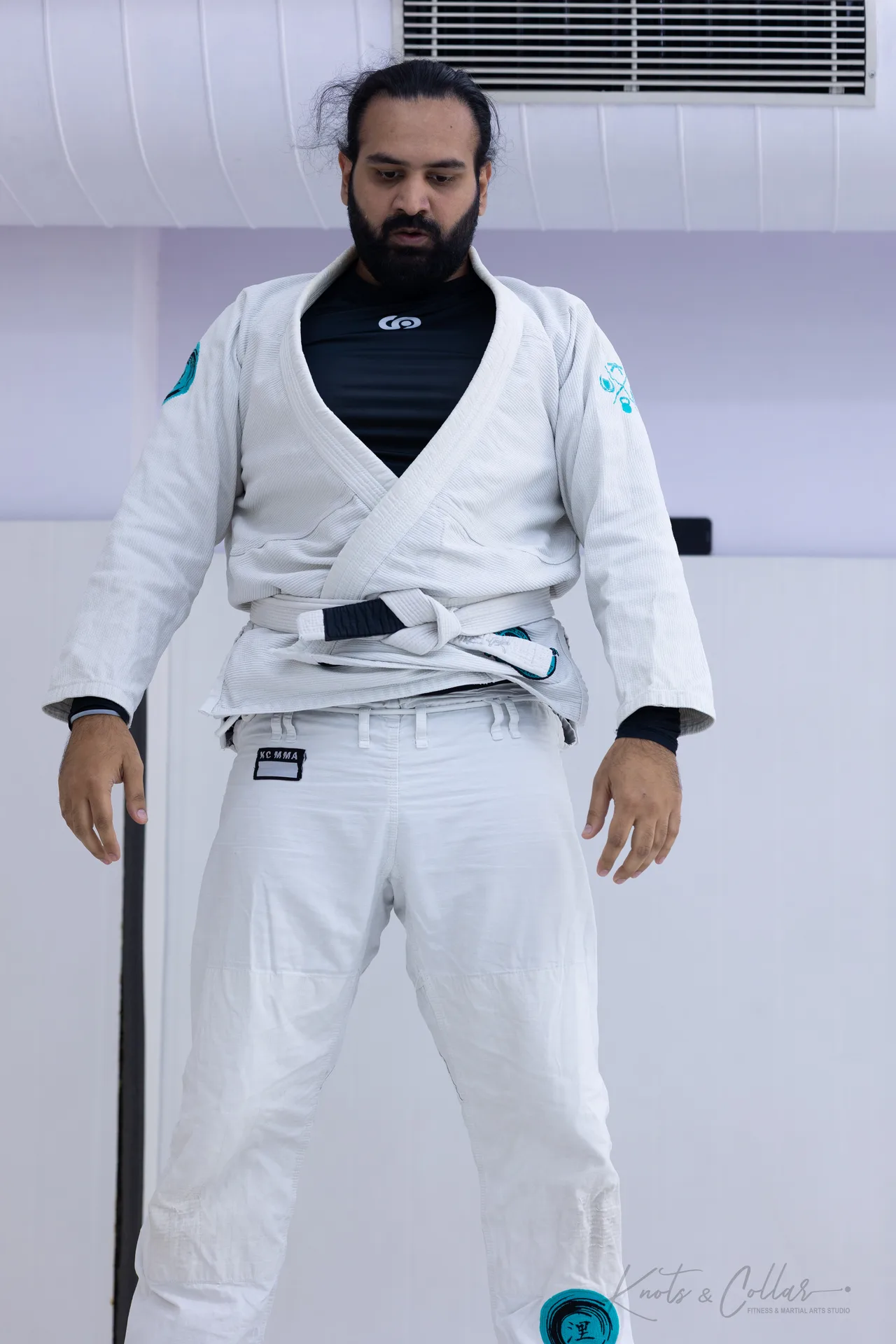
The forces behind the rise of jiu-jitsu in India
Growth this steady rarely has one cause. Several currents are flowing together, and each one brings a different kind of person to the mat.
The first is awareness. Grappling used to be invisible to most Indians. As mixed martial arts and the UFC found audiences here, more people watched a contest end not with a strike but with a calm, controlled submission — and wondered how it was done. That curiosity leads a lot of newcomers to search for a class. They come in wanting to understand the art they saw, and they stay for reasons they did not expect.
The second is a shift in what fitness means to people. Many have grown a little tired of the treadmill and the mirror. They want movement that teaches them something, that engages the mind as much as the body, and that they can keep doing for decades. Jiu-jitsu answers that. Every round is a puzzle. You leave a session having learned, not just having sweated — and that keeps people coming back long after a gym membership would have lapsed.
More academies, in more cities, closer to home
Access changes everything. For years, the biggest barrier to training in India was simply distance — the nearest mat might have been an hour away, or in another city altogether. That is loosening. As more instructors return home from years of training abroad, and as more academies establish themselves with genuine belt lineage, jiu-jitsu is becoming something you can reach on an ordinary weekday evening.
When training is close to home, it stops being a special occasion and becomes a habit. A parent can bring a child after school and be back for dinner. A working professional can train before the day begins or after it ends. That ordinariness is exactly what a growing art needs. The scene is spreading not because of any single event, but because more people can now say yes to a class that is genuinely within reach.
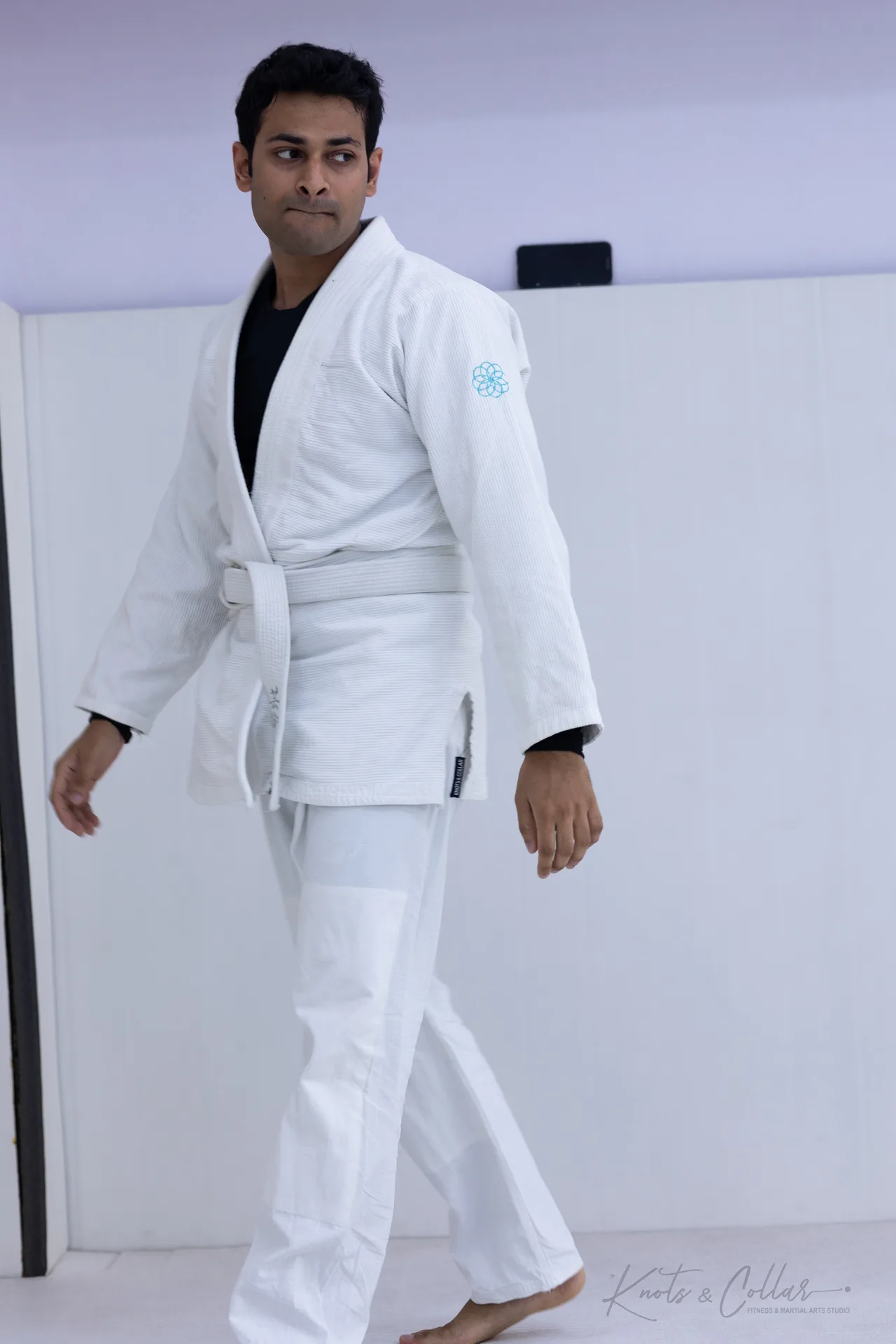
A home-grown Indian identity around the art
Something quieter is happening alongside the numbers: jiu-jitsu in India is beginning to feel Indian. This is not a borrowed sport worn awkwardly. India has always been a nation of grapplers — our own wrestling traditions run deep, and the instinct to control, to pin and to stay calm under pressure is not foreign to us at all. Brazilian Jiu-Jitsu simply gives that instinct a modern language.
You can see the identity taking shape in small, real ways. Indian students are training in Made in Bharat gis, stitched here and worn on Indian mats — a detail that matters more than it sounds, because it means the community is building its own tools rather than importing everything. We have written more about that in our piece on the Made in Bharat BJJ gi. There is also work underway on building the national federation for Brazilian Jiu-Jitsu in India, giving competitors and academies a shared structure to grow within. Bit by bit, the art is putting down roots that are ours.
What the growth looks like for a beginner today
If you are wondering whether this is a good moment to start, it is — precisely because the scene is still young. When a community is growing, it is used to welcoming people who have never done this before. You will not walk into a room of veterans and feel like the only newcomer. On most mats today, half the room started recently, and everyone remembers being exactly where you are.
You need nothing to begin. No fitness, no flexibility, no martial arts background, no expensive kit on day one. The early weeks are humbling for everyone — that is simply the nature of learning a new language with your body — but they are also the most encouraging, because progress in the beginning is fast and easy to feel. If you would like a practical starting point, our beginner's checklist for starting BJJ in Delhi walks through the first steps without any pressure.
What keeps beginners is rarely the technique alone. It is the culture. Jiu-jitsu, done well, is a warm and honest room — a place where you are pushed and supported in equal measure. At our studio we call this Kindness Over Toughness, and you can read what we mean by it in our note on the Knots & Collar philosophy. It is the reason so many people who came to try one class are still training years later.
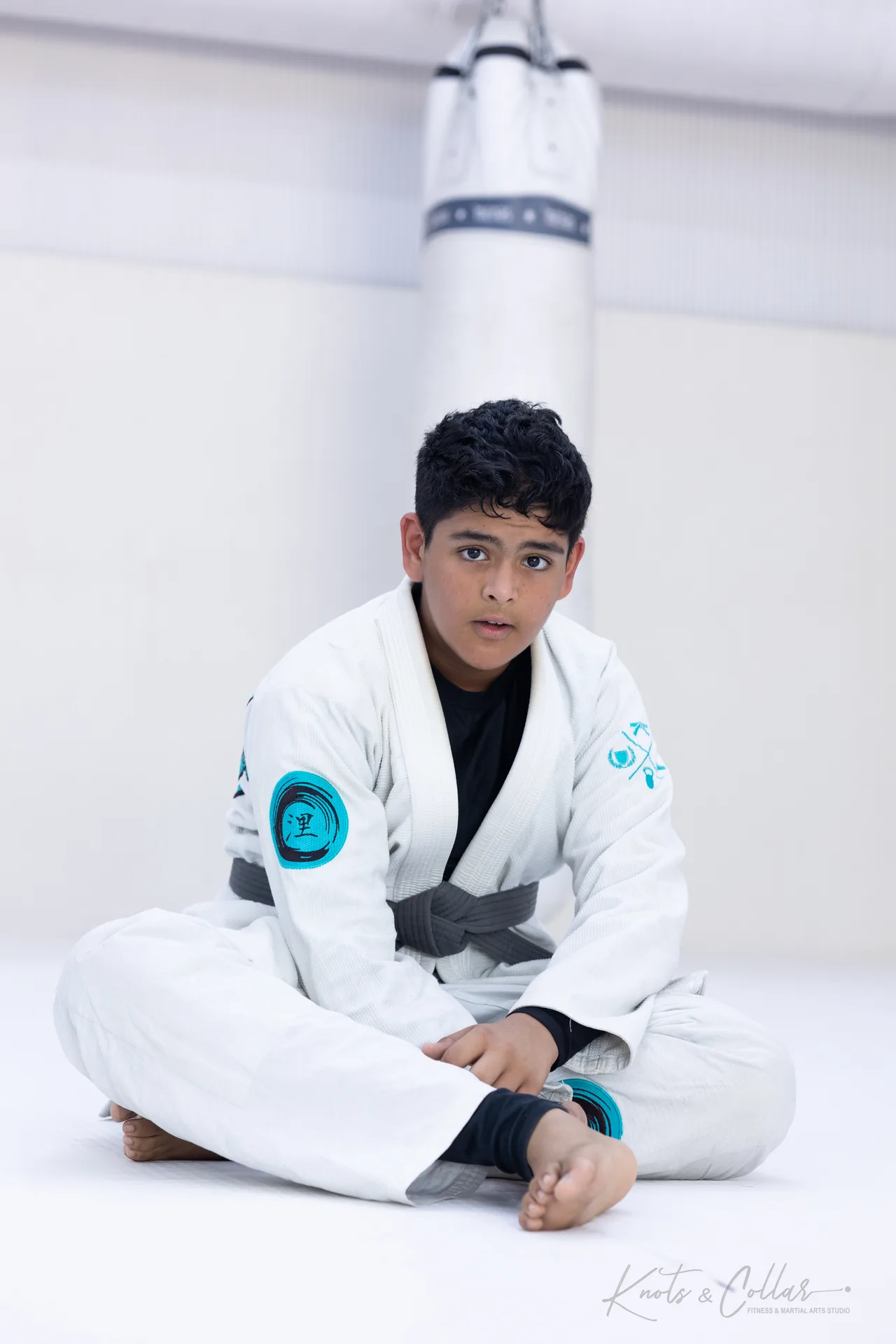
Young, but full of momentum
It is worth being honest about where the Indian scene sits. Compared with countries that have practised Brazilian Jiu-Jitsu for generations, India is early in its journey. The number of black belts here is still small. Many academies are only a few years old. Competition calendars are still filling out.
But early is not the same as behind — early is the exciting part. A young scene means there is room to shape it, to help build something rather than simply join something already finished. Every academy that opens, every child who starts at three and grows up on the mats, every competitor who represents India abroad, and every home-stitched gi adds to a foundation that did not exist a generation ago. For a fuller picture of where things stand, our complete guide to BJJ in India for 2026 lays it all out. The direction is clear, and it is upward.
How to be part of it
The honest answer to "is BJJ growing in India" is not just yes — it is that you can be one of the reasons the answer stays yes. Every person who steps onto a mat makes the community a little larger and a little more welcoming for the person who comes next.
Being part of it starts small. You do not commit to a black belt on your first day; you commit to one class. You watch, you learn a grip or two, you feel what an hour of jiu-jitsu is actually like, and you decide from there. We teach Gi and No-Gi, kids from age 3 and adults, seven days a week at our Defence Colony studio in New Delhi, and complete beginners are always welcome.
If the rise of jiu-jitsu in India has made you curious, the gentlest next step is simply to come and see it for yourself. You are warmly invited to schedule a visit — come and watch a class, or take a first session, and feel where the momentum is coming from.
FAQs
Is BJJ growing in India?
Yes. Brazilian Jiu-Jitsu is growing steadily across India. Academies that once existed only in a handful of metros are now opening in more cities and more neighbourhoods, and mats that used to hold a few students on a weeknight now hold beginners of every age. The scene is young, but the momentum is real and it is building.
Why is jiu-jitsu becoming more popular in India?
A few forces are working together. Wider awareness of grappling through MMA and the UFC, a shift toward fitness that means something rather than just an hour on a machine, more academies making training easy to reach, and a home-grown Indian identity around the art — including Made in Bharat gis worn on Indian mats. Together they have opened the door to more people than ever.
Is it a good time for a beginner to start BJJ in India?
It is a genuinely welcoming time to begin. Because the community is still young, most academies are used to teaching people who have never grappled before, and you will rarely be the only new face on the mat. You need no fitness, no flexibility and no prior martial arts background — just a willingness to show up and learn.
Does Knots & Collar welcome complete beginners?
Yes, always. We teach Gi and No-Gi, kids from age 3 and adults, seven days a week at our Defence Colony studio in New Delhi. No experience is needed to start. You are welcome to come and watch a class or take a first session and see how it feels.