
Building the Jiu-Jitsu Community in India
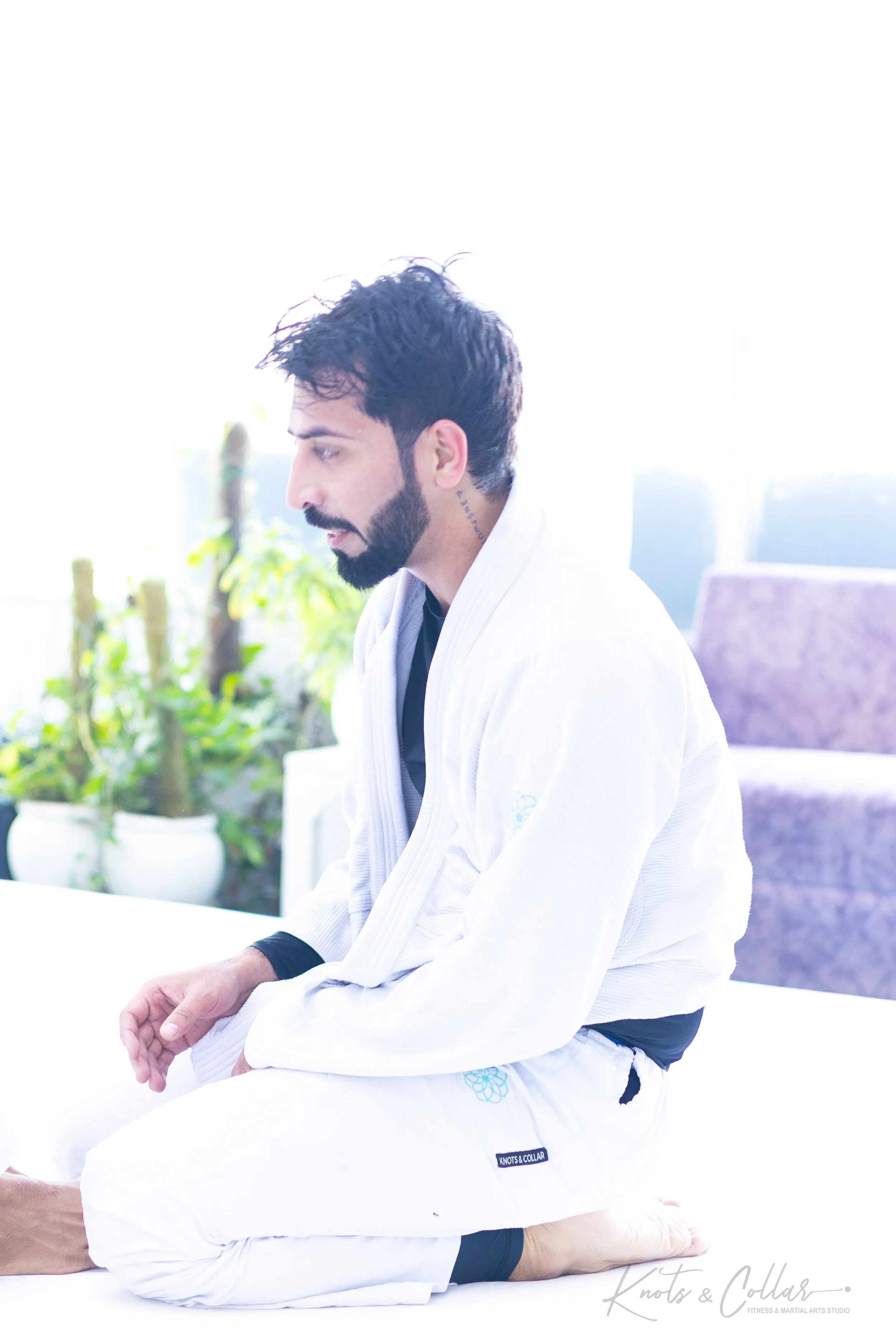
Jiu-jitsu is a solitary-looking sport played by two people, and yet nobody who trains it for long stays alone. You cannot learn this art without partners, and partners become a community. Across India that community is young, generous and growing fast, one mat and one handshake at a time. This is a look at what makes the jiu-jitsu community in India worth belonging to — and the quiet, shared work of building something that outlasts any one of us.
Why the jiu-jitsu community is different
Most sports let you practise alone. You can shoot baskets, run laps or hit a bag by yourself for years. Jiu-jitsu will not allow it. Every technique you learn was taught to you by someone, and every technique you refine is refined against a living, resisting human being who has agreed to help you get better by trying to stop you. That simple fact shapes everything about the culture. You depend on the people across from you, and they depend on you, so respect is not a slogan on the wall — it is the only way the room works.
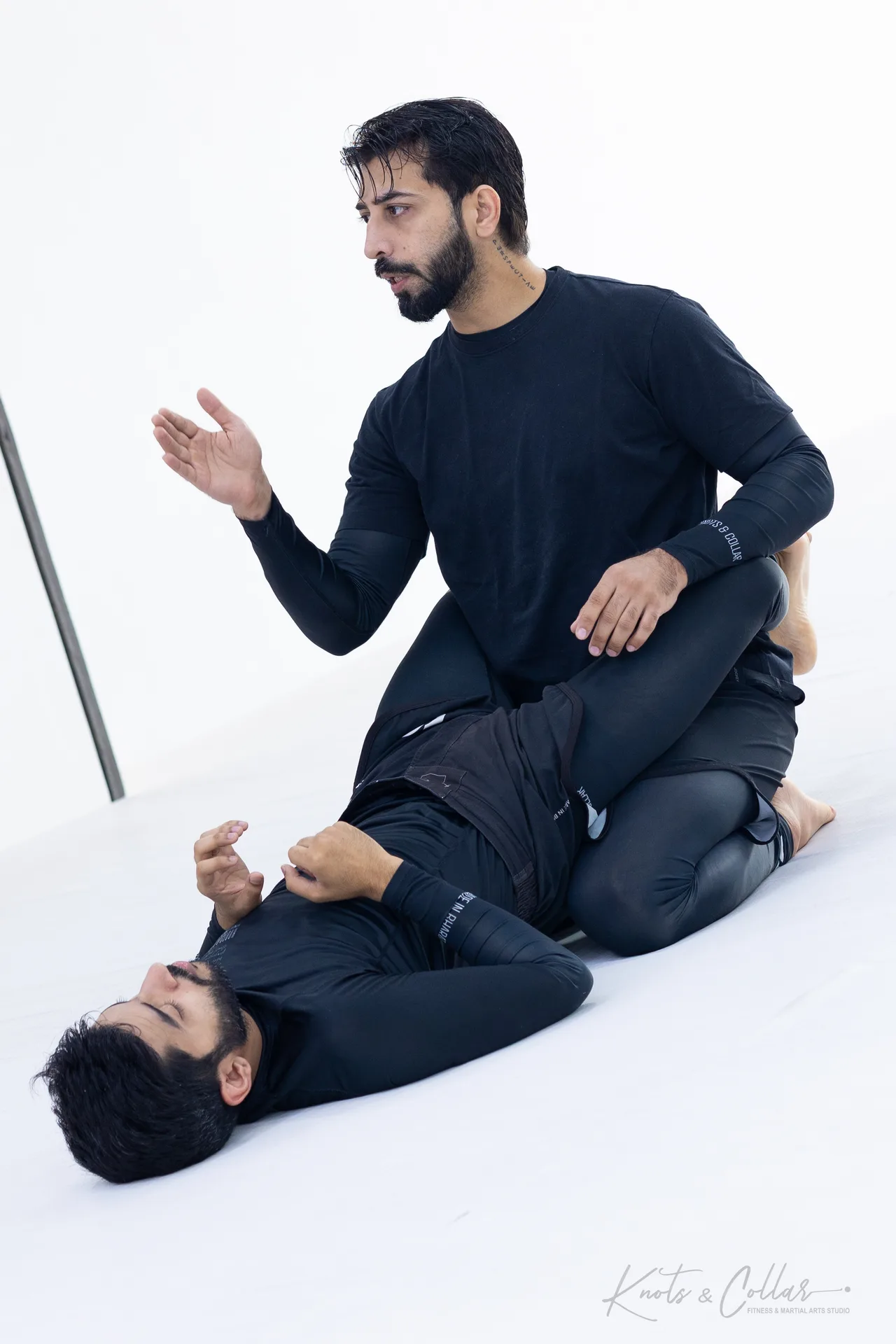
Newer students sometimes expect the mat to be harsh. What they usually find is the opposite: the higher belt slows down so they can learn, the training partner taps early rather than let an injury happen, and the person who just submitted you shows you how they did it. This is what we mean by Kindness Over Toughness. Toughness is real and it is earned in every hard round, but it is kindness that keeps people coming back long enough to become tough.
Cross-rank training and the sense of belonging
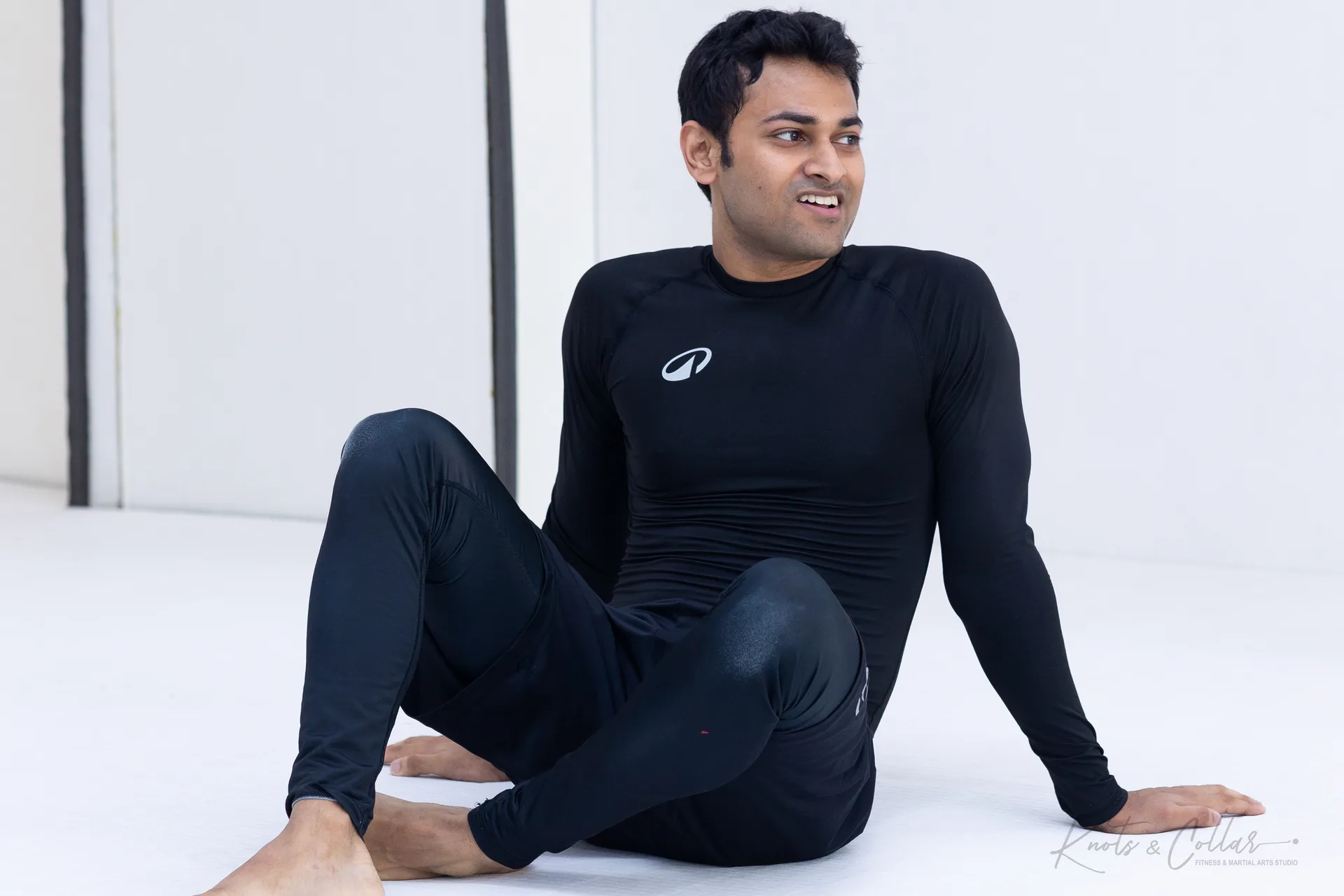
Walk into a healthy jiu-jitsu room on any evening and you will see something quietly unusual: a teenager rolling with a doctor in their fifties, a beginner of three weeks drilling beside someone with a decade on the mat, people from wildly different jobs and backgrounds all wearing the same gi and speaking the same language of grips and angles. Rank is visible on the belt, but on the mat it mostly disappears into shared work. The white belt learns by testing themselves against skill; the higher belt sharpens their own game by helping someone else find theirs.
That mix is where belonging comes from. Away from the mat we are sorted by age, profession and status. On the mat those labels loosen. You are simply a training partner, judged by whether you show up, whether you are safe to roll with, and whether you are trying to get better. Many people discover that the jiu-jitsu community becomes one of the few places in their week where they are fully welcome exactly as they are.
Growing city by city
A few years ago, whole regions of India had nowhere to train. Today mats are running not only in the big metros but in smaller cities and towns that had no jiu-jitsu at all a short while back. This is how the jiu-jitsu community in India actually grows — not from the top down, but city by city, room by room. Someone falls in love with the art, travels to learn it properly, and comes home to start teaching a handful of friends in a borrowed hall. A year later that handful is a class.
What ties these scattered rooms into a single community is movement between them. Practitioners travel for work and drop in to train. Competitors meet at events and stay in touch. Instructors visit each other's academies. Every one of these threads is small, but together they weave separate mats into one national fabric. If you are just starting out, it helps to understand the wider picture first — our complete guide to BJJ in India maps the history, the growth and how to find your feet.
The shared culture of the mat
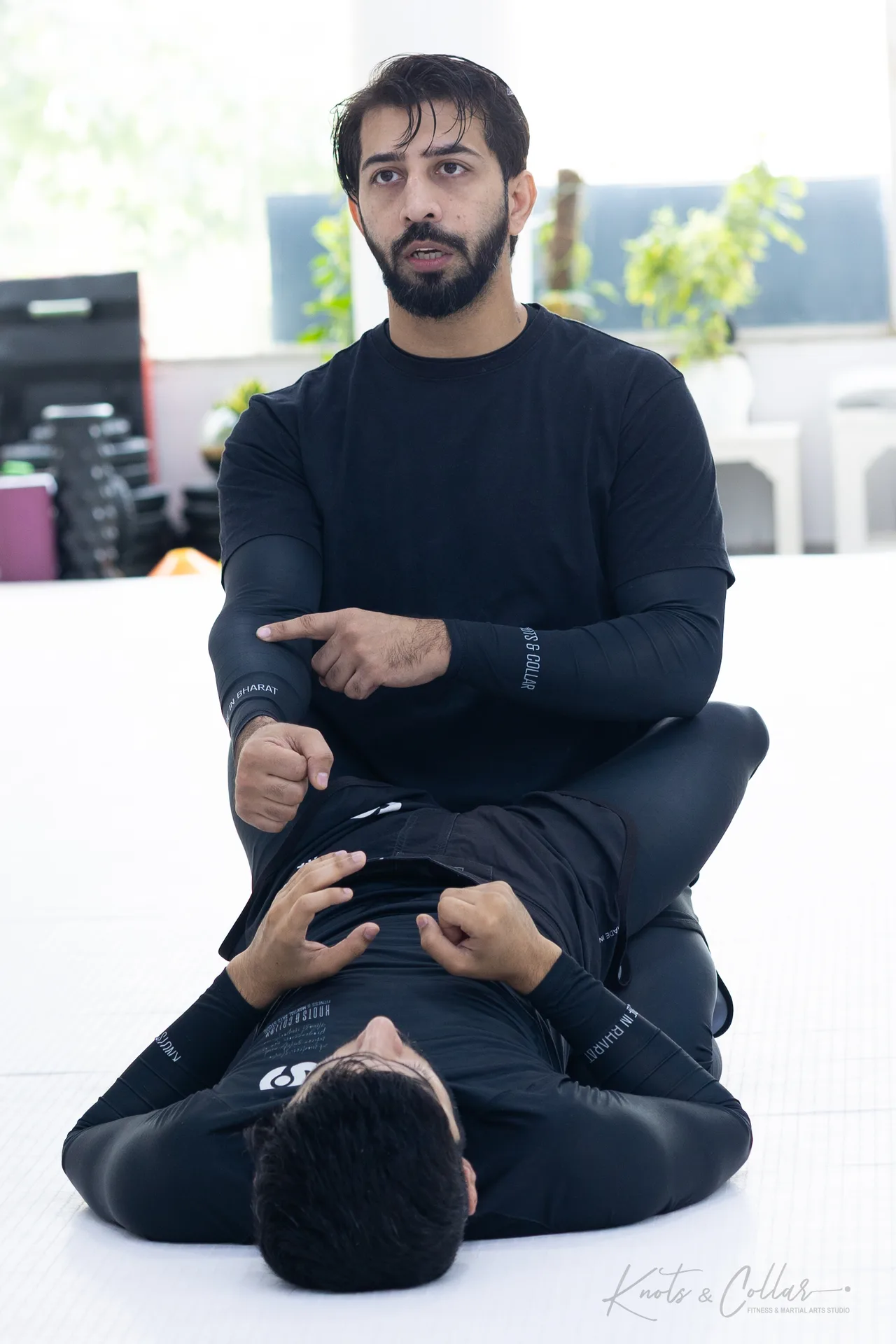
Jiu-jitsu carries a set of customs that travel with it wherever it goes, and they are worth naming because they are what makes the community feel like a community. You bow or shake hands before and after a round. You keep your gi and your body clean out of respect for your partners. You tap honestly and you release honestly. You do not celebrate a friend's difficulty; you help them out of it. These are not rules imposed from above so much as habits that any group of people who trust each other with their joints will naturally arrive at.
Because these customs are the same in Delhi as they are anywhere the art is practised, a visitor from another city can walk into a room full of strangers and, within one warm-up, be part of it. The etiquette is the passport. It is also why the community forgives so much — nobody expects a beginner to be good, only to be willing, safe and respectful.
Open mats and seminars that bring people together
If day-to-day classes are where a community is grown, open mats and seminars are where separate communities become one. An open mat is an unstructured session where practitioners simply roll — often across academies, ranks and cities. A seminar gathers people around a visiting instructor for a few hours of shared learning. Both do something ordinary classes cannot: they mix people who would never otherwise meet and send them home with new partners, new ideas and new friendships.
A single weekend can connect two cities for years, because the people who rolled together keep training together long after. If you have never been to one, it is worth understanding the spirit of these gatherings — we wrote about it in open mat community culture. Larger gatherings take the same idea further still; our KC Manthan retreat in Mukteshwar was built to give practitioners a few days of training, reflection and company in the hills.
A home-grown identity, Made in Bharat
As the community matures, it is also finding its own voice. For a long time nearly everything about training here — the gear, the language, the reference points — was imported. That is changing. Practitioners are building an identity that is genuinely Indian: teaching in the languages people actually speak, drawing on India's own long grappling heritage, and making their own equipment. The gi you train in can now be built here at home, thread to packaging, rather than shipped in with someone else's label sewn in. We wrote about why that matters to us in Made in Bharat: the BJJ gi we build in India.
A home-grown identity is not about closing the door on where the art came from — jiu-jitsu will always carry its lineage with pride and its De La Riva heritage runs through how we teach. It is about the community here standing on its own feet, confident enough to make things rather than only buy them, and to shape the art around the people who actually practise it in this country.
Building something that lasts
A community held together only by friendship is a warm thing, but a lasting one also needs shared foundations: agreed standards for grading, honest competition, and records people can trust. That is the thinking behind building the national federation for Brazilian Jiu-Jitsu in India — a common home meant to serve the whole community rather than any single academy. Verified belts, verified results, verified always. When a practitioner in one city earns a rank, it should mean the same thing in every other city, and it should be something they can prove.
None of this replaces the handshake at the start of a round or the tap that keeps a partner safe. Structure exists to protect the culture, not to overrule it. Underneath every standard is the same simple idea we started with — that we get better by helping each other get better. If you would like to be part of it, that is what our philosophy of Kindness Over Toughness is really about, and it is why the door stays open.
The jiu-jitsu community in India is still young, which means the best thing about it is not what it has already become but what it is still becoming — and that everyone who steps on the mat now helps write it. If you have been curious, the easiest way to understand any of this is to feel it for an evening. You are warmly welcome to schedule a visit to our studio in Defence Colony, New Delhi, watch a class or roll a few rounds, and see for yourself what a good room feels like. Come as you are. We will make room.
FAQs
What makes the jiu-jitsu community in India special?
The mat has a shared culture that travels well: you shake hands, you help the person across from you, and you train with people of every rank and background. In India that culture is still being written by everyone who steps on, which makes newcomers genuinely welcome rather than an afterthought.
Is the jiu-jitsu community really growing across India?
Yes. Training is now happening in cities large and small, from the big metros to towns that had no mat a few years ago. Each new academy adds training partners, and travelling practitioners knit those rooms together, so the community grows city by city rather than in one place alone.
How do open mats and seminars bring the community together?
Open mats and seminars are where separate academies become one community. People roll with partners they would never otherwise meet, share what they know freely, and carry ideas home. A weekend seminar or a shared open mat can connect two cities for years afterwards.
What does building the national federation for Brazilian Jiu-Jitsu in India mean?
It is the work of building the national federation for Brazilian Jiu-Jitsu in India — shared standards for grading and competition, verified records, and a common home for practitioners across the country. The aim is to support the whole community, not any single academy.