
Drilling vs Rolling in BJJ: How to Balance Both

Ask any group of Brazilian Jiu-Jitsu students what makes them better and you will hear two answers — drilling and rolling. The truth is that neither one works well on its own. Drilling vs rolling is not a choice to make but a balance to strike, and this is a plain guide to what each one gives you, how they fit together, and how much of each a beginner really needs.
What drilling and rolling each are
Drilling is repetition. You take a single technique — an armbar from guard, a hip escape, a grip break — and you practise it slowly with a cooperative partner who lets you work. Nobody is trying to stop you. The point is to groove the movement, to feel where your hands and hips and feet go, and to do it enough times that it stops feeling foreign. Drilling is quiet, patient and unglamorous, and it is where technique is first learned.
Rolling is live sparring. Two people start from a position and play the whole game at once — passing, sweeping, escaping, finishing — against a partner who is moving and resisting in real time. It is fast, unpredictable and honest. Rolling is where you find out whether the technique you drilled actually works when someone does not want it to. If drilling is learning the notes, rolling is playing the music, and Brazilian Jiu-Jitsu asks you to do both.
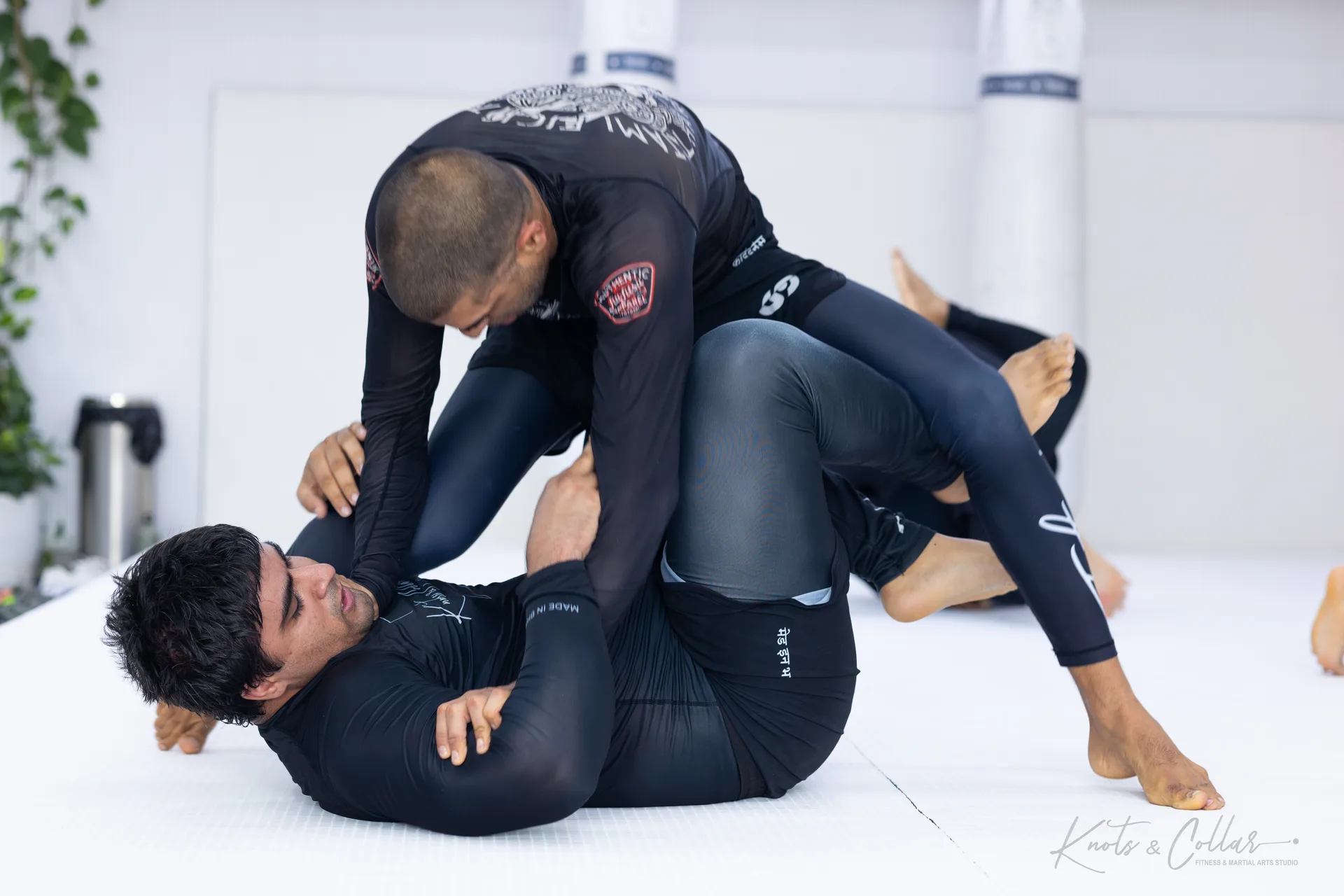
How drilling builds the movement
There is a reason every class begins with technique. When you are learning something new, your body has no idea what to do, and a live roll is a chaotic place to try to figure it out. Drilling gives you a calm, low-pressure space to build the movement first. Each clean repetition lays down a little more familiarity, until the technique starts to feel like something your body already knows rather than something you have to think your way through.
Good drilling is not mindless. Pay attention to the small details — the angle of a grip, the timing of a hip, the exact moment your weight shifts — because those details are what make a technique work later against resistance. Repeat with care rather than just racking up numbers. Done this way, drilling is where the raw material of your game is made. If you want a fuller picture of how the pieces fit together over time, our guide on how to build your BJJ game goes deeper on turning individual techniques into a connected whole.
How rolling tests it under resistance
A technique you can perform beautifully in drilling is not yet a technique you own. It only becomes yours when it survives contact with a resisting partner, and that is what rolling is for. Rolling puts your drilled movements under real pressure — a partner who is off-balancing you, defending, hiding the grip you wanted, moving before you are ready. It is where you learn timing, which no amount of slow repetition can teach on its own.
Rolling also shows you the truth about your game. It reveals which techniques you can actually pull off, which ones fall apart under pressure, and where your gaps are. That feedback is priceless, because it tells you what to go back and drill next. This is the loop that quietly drives improvement in Brazilian Jiu-Jitsu — drill a movement, test it in rolling, notice where it breaks, drill the fix, test it again. Our companion piece on how to improve at BJJ faster looks more closely at making that feedback loop work for you.
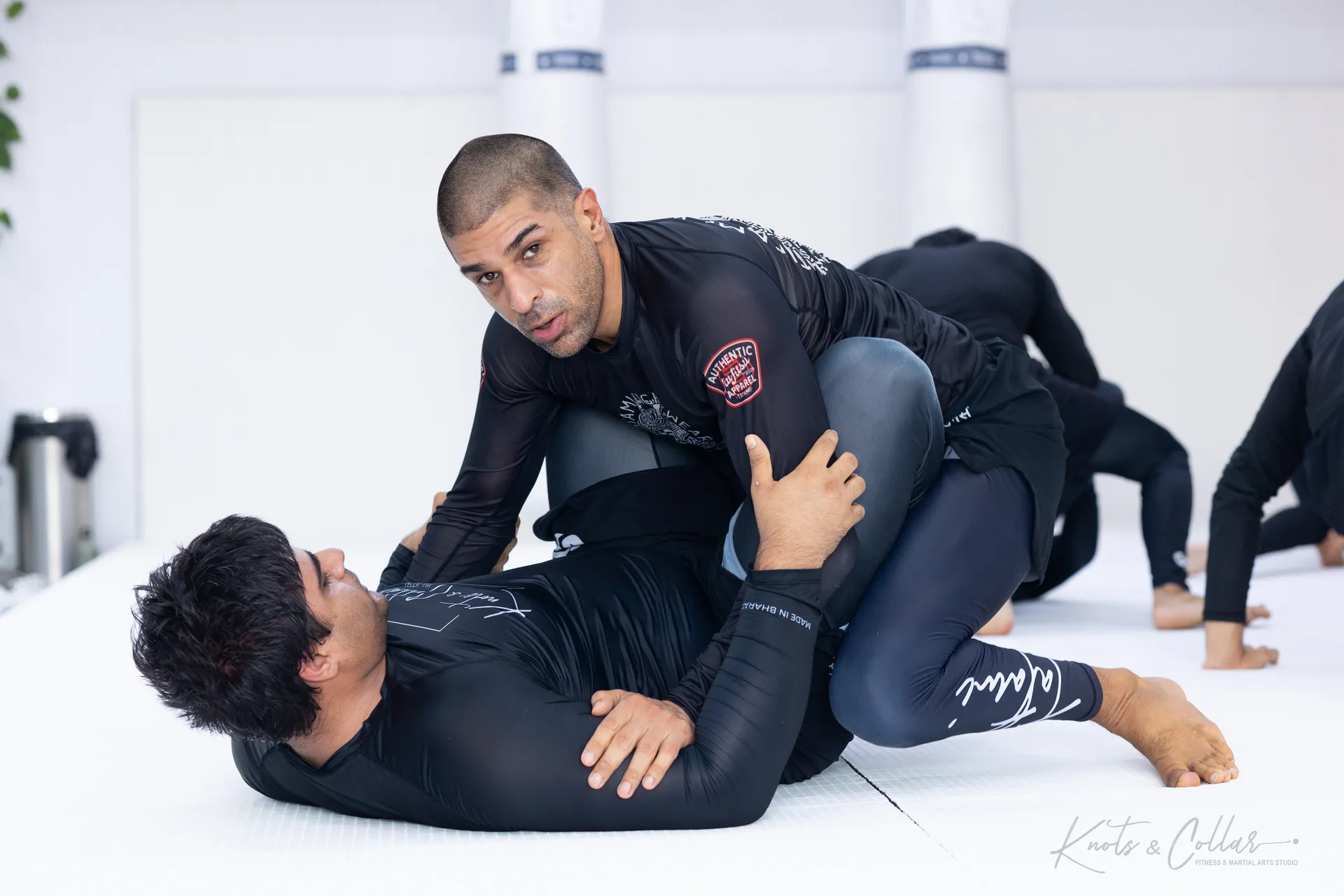
Positional sparring as a bridge
Between drilling and rolling sits a third thing that many people underrate — positional sparring. Both partners start from a set situation, such as one person in the other's guard or someone holding mount, and go live from there, but only within that position. When the round resets, you start from the same spot again. It gives you the honest resistance of rolling while keeping the tight focus of drilling.
This makes positional sparring a genuine bridge in the drilling vs rolling picture. In a full roll, you might only reach a particular position once or twice, so you get very few chances to practise escaping it under pressure. In positional sparring you might get that same problem twenty times in a single round, each one a live repetition with a partner who is really trying to stop you. It is one of the quickest ways to improve a specific part of your game, which is exactly why it appears so often in a well-run class. If you would like more on live sparring itself, our beginner's guide to rolling in BJJ covers how to approach it safely.
How much of each a beginner should do
For a beginner, the honest answer is that both matter, with a gentle lean towards drilling in the early months. A new white belt has almost no technique stored yet, and trying to learn a movement for the first time in the middle of a live roll is very hard. Time spent repeating the basics until the fundamental movements feel natural pays off enormously, and it makes everything you do in rolling smoother later.
That does not mean beginners should hide from rolling. You still need to spar regularly, kept light and controlled, so that your drilled techniques get tested and you get used to the feel of a resisting partner. A sensible rhythm for most beginners is plenty of careful drilling paired with steady, gentle rolling, rather than either extreme. Over time, as your technique bank grows, the balance shifts naturally and rolling takes up more of your attention. There is no single perfect ratio — it changes with your goals and your body — and our note on Brazilian Jiu-Jitsu in India gives a wider sense of how training tends to develop.
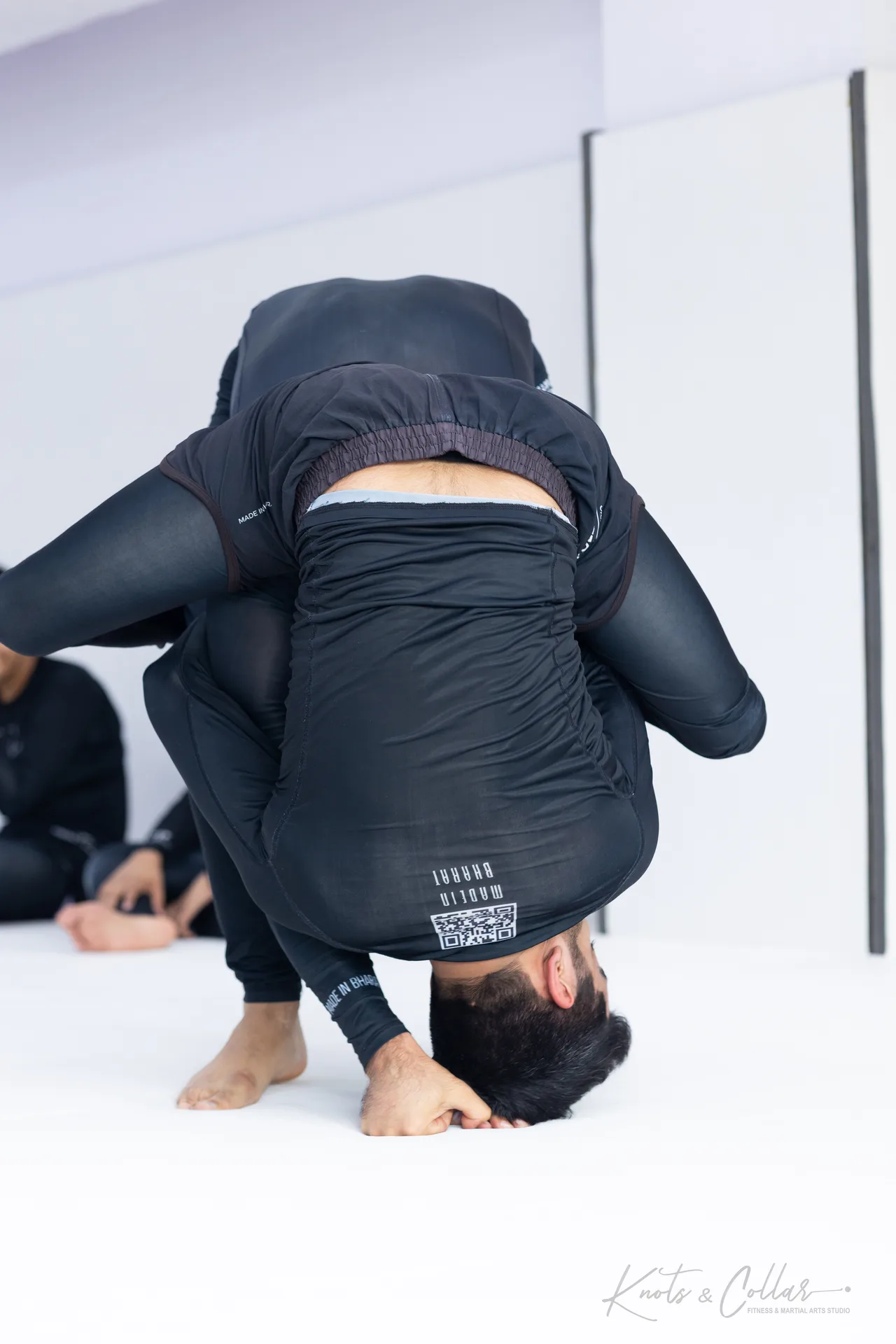
Rolling with control so both partners learn
The thing that turns rolling from something to survive into something that teaches you is control. Roll with a fraction of your strength, keep your movements deliberate, and give your partner room to work too. Set a small goal for each round — hold a position, work an escape, try the sweep you drilled that day. If you spar only to avoid losing, every roll is a test you might fail; if you spar to practise something, every roll becomes a lesson you can always take from.
Control is also how both people learn. Tap early, look after a smaller partner, and lean on technique rather than muscle against a bigger one. A round rolled with control is hard enough to be real and safe enough to come back to tomorrow, and for years after that. This is where kindness over toughness stops being a phrase and becomes something practical on the mat — the way we hold ourselves in rolling is what lets everyone in the room keep improving together.
Come and find your balance
Drilling builds the movement, rolling tests it, and positional sparring joins the two. You do not have to work out the balance on your own. At Knots & Collar in Defence Colony, New Delhi, classes are structured so that beginners drill the fundamentals carefully and then roll at a pace that suits them, with patient partners and no one thrown into the deep end. If you would like to see how a class flows from drilling into rolling, you are welcome to schedule a visit whenever you are ready. There is no pressure and no rush, and we will meet you exactly where you are.
FAQs
What is the difference between drilling and rolling in BJJ?
Drilling is repeating a technique slowly with a cooperative partner so the movement becomes smooth and familiar. Rolling is live sparring, where you try to use those techniques against a partner who is moving and resisting in real time. Drilling builds the movement; rolling tests it under pressure. In the debate of drilling vs rolling there is no winner, because Brazilian Jiu-Jitsu needs both — one teaches the shape of a technique, the other teaches when and how to use it.
Should beginners spend more time drilling or rolling?
In the early months, lean a little more towards drilling. New white belts benefit hugely from repeating the basics until the movements feel natural, because trying to learn a technique for the first time in the middle of a live roll is very hard. That said, beginners should still roll regularly, kept light and controlled, so the techniques get tested. A steady mix, with plenty of drilling and gentle rolling, is what helps most people progress.
What is positional sparring in BJJ?
Positional sparring is a bridge between drilling and rolling. Both partners start from a set position — someone in your guard, one person mounted, a grip already established — and go live from there, but only within that situation. It gives you the resistance of rolling while keeping the focus of drilling, so you get many honest repetitions of one specific problem in a single round. It is one of the most useful ways to improve a particular part of your game.
How can I make rolling useful rather than just exhausting?
Roll with control and set a small goal for each round. If you spar only to avoid losing, every roll is a test; if you spar to practise something specific, every roll is a lesson. Use a fraction of your strength, tap early, and give your partner room to work too. Rolling with control means both people leave the mat safe and having learned something, which is exactly what turns a hard training round into real progress.