
Your First Jiu-Jitsu Class in India: What to Expect
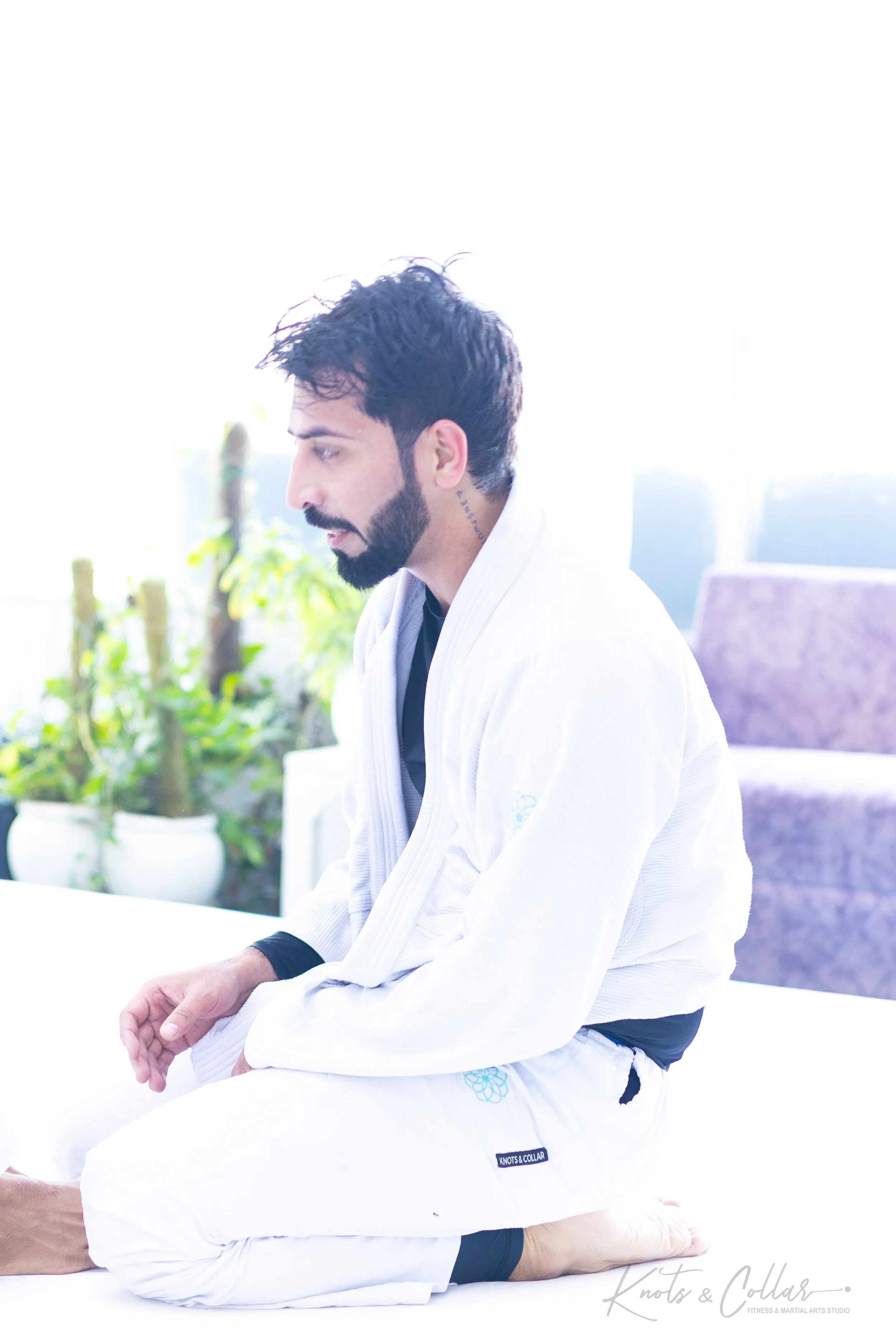
Walking into a martial arts room for the first time can feel like a big step, and most people picture it as harder and more intimidating than it is. It is gentler than it looks from the outside. This is a warm, honest guide to your first jiu-jitsu class in India, step by step, so that when you arrive you already know what happens and can simply enjoy learning.
Arriving and settling in
The first few minutes are the part people worry about most, and they are the easiest. When you arrive, you will be greeted, shown where to leave your shoes and change, and introduced to the instructor and a few of the people you will train with. You do not have to announce that you are new; it is obvious and completely welcome. Come a little early if you can, so you have time to settle rather than rush straight onto the mat.
A first jiu-jitsu class in India draws in all sorts of people: students, working professionals, parents, complete beginners who have never done a sport in their life. Nobody in the room started knowing anything, and everyone remembers their own first day. That shared memory is why good rooms are so kind to newcomers. You belong there the moment you walk in.
The warm-up
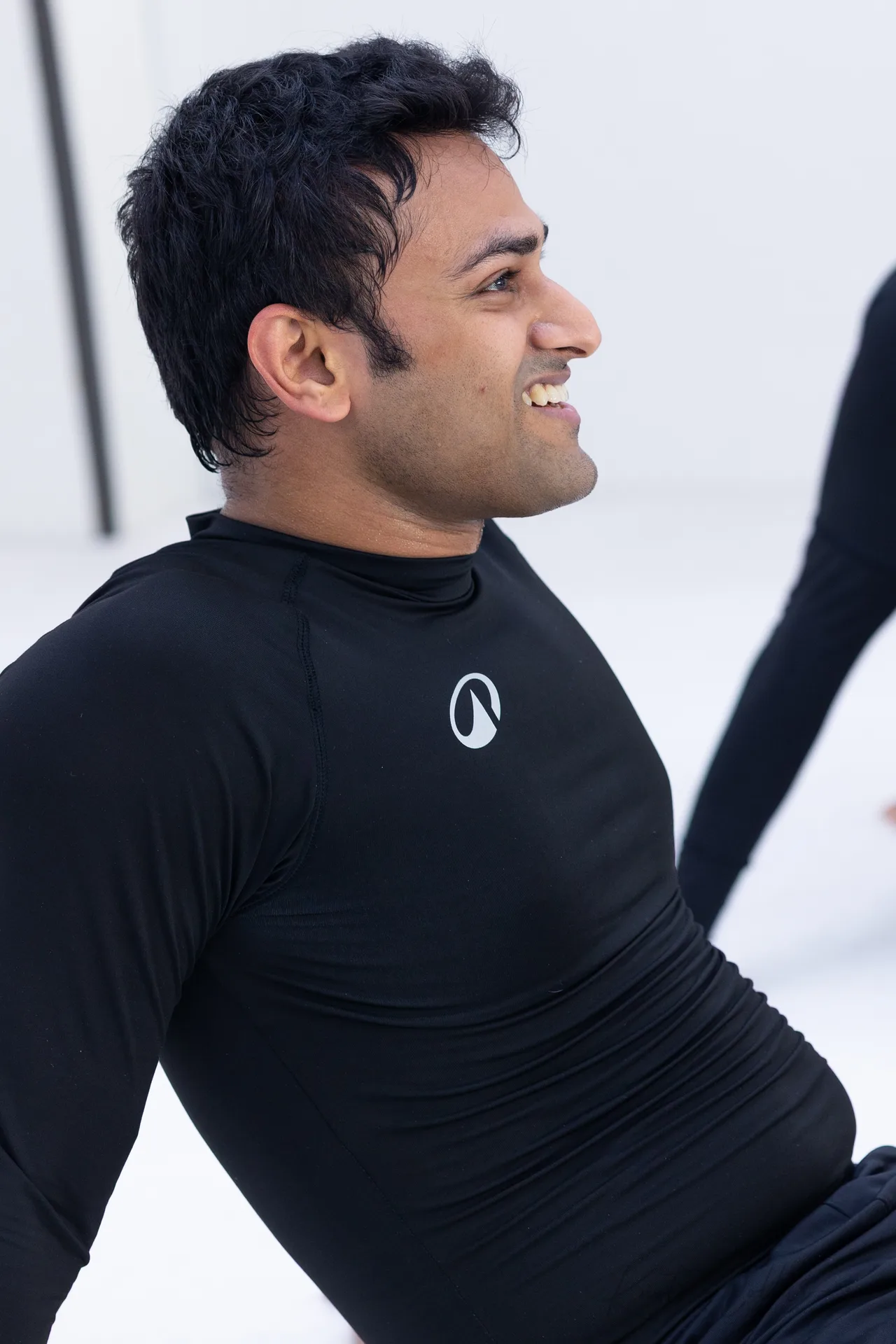
Most classes open with a warm-up. It is there to loosen your body and teach it the basic shapes of the sport, not to test or exhaust you. Expect gentle movement: rolling, shrimping along the mat, standing up safely, some light stretching. These small movements are the alphabet of jiu-jitsu, and you will use them in almost everything you learn later.
If a movement is new or awkward, that is entirely normal, and you go at your own pace. Nobody is watching to catch you out. The warm-up is also a quiet way to meet the room, because you move alongside everyone else and the ice breaks on its own. By the end of it, most beginners have stopped feeling like a visitor and started feeling like part of the class.
Learning a technique or two
After the warm-up, the instructor demonstrates a technique and breaks it into clear steps. In a first jiu-jitsu class you will usually learn one or two things: perhaps how to keep a safe position, how to escape from underneath, or a simple, reliable control. You are not asked to remember a hundred moves. One or two done slowly is exactly the right amount for day one.
Jiu-jitsu is a grappling art with no striking. You learn to control another person and to escape being controlled, using leverage, angle and timing rather than size or strength. That is what makes it such a welcoming place to begin: a smaller, calmer person who understands the mechanics can hold their own. The instructor walks the room while you practise, correcting gently, so you are never left to guess.
Gentle drilling with a partner
Once the technique has been shown, you pair up and drill it slowly. Drilling simply means taking turns to practise the movement while your partner lets you, so that your body learns the shape through repetition. There is no resistance, no contest, no pressure to get it perfect. You do it, then they do it, and the instructor helps you both.
Beginners are almost always paired with someone experienced who will look after them. Higher belts help lower belts here rather than test them, and a good partner takes real care with a newcomer. If anything feels confusing or too much, you say so, and the pace changes. This is Kindness Over Toughness in practice: the room is built so that you can learn safely and enjoy it, not survive it.
Tapping and the etiquette of the mat
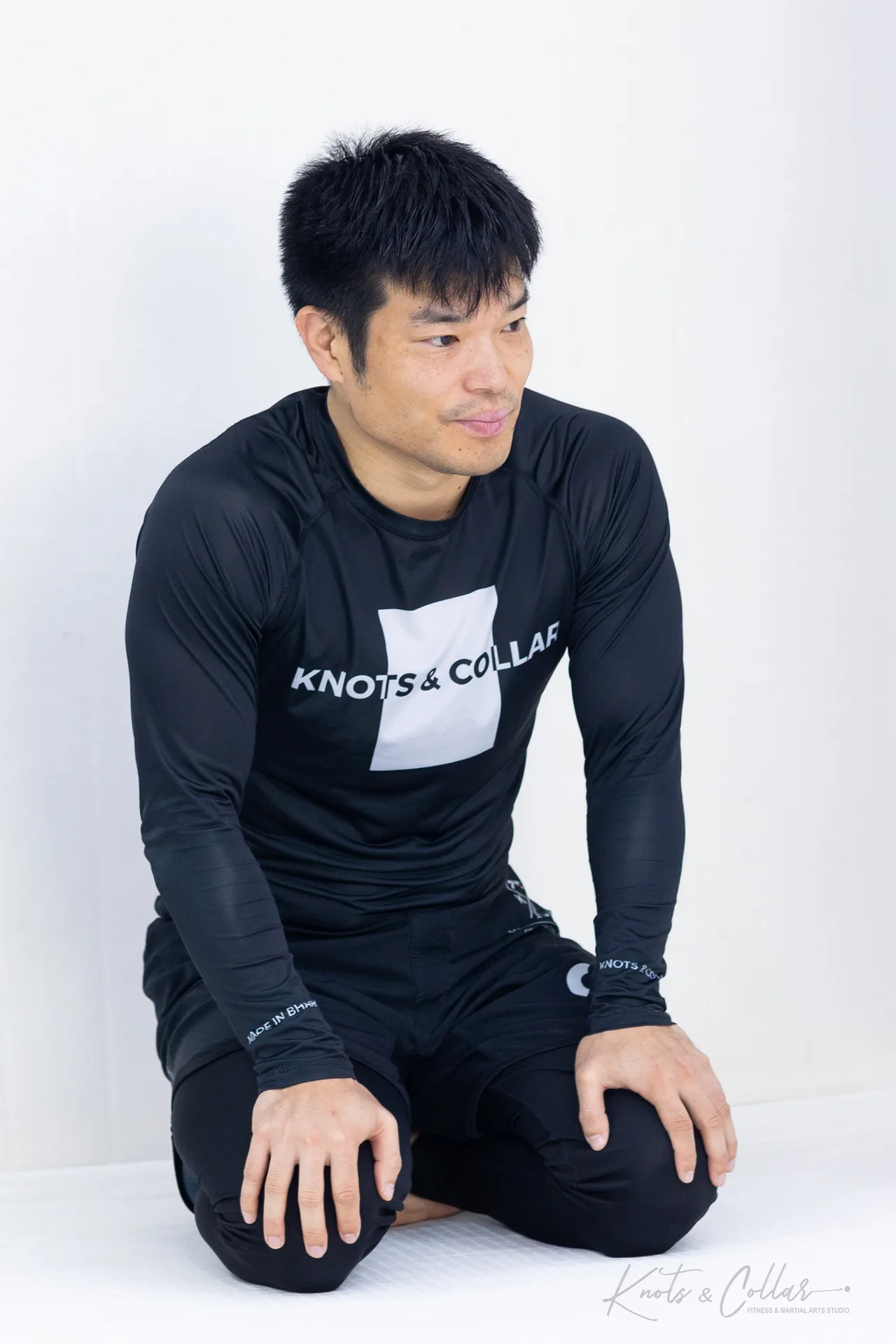
The single most important thing you learn early is the tap. Tapping is a clear signal, usually two firm taps on your partner or the mat, that means pause. It is not losing and it is not something to feel embarrassed about. You tap early and often, and so does everyone else, all the way up to black belt. It is simply how the room stays safe enough for people to keep training for years.
The etiquette of the mat is small and easy to pick up. You keep your feet clean and your nails short out of respect for the people you train with. You listen when the instructor teaches, you shake hands or bump fists with your partner before and after drilling, and you look after anyone newer than you. These are not tests to pass; they are just the good manners that make a room feel warm. You will absorb them naturally in your first class.
What to wear and bring the first time
Keep it simple. To start, you need nothing but a water bottle. Wear comfortable athletic clothing with no zips, buttons or pockets, which usually means a fitted t-shirt and shorts or leggings. Come with clean feet and short nails. If the class is a Gi class, we lend you a Gi to borrow for the day, so there is nothing to buy before you know you enjoy it.
We teach both Gi and No-Gi, so depending on the class you attend you will either wear the traditional jacket and trousers we provide, or train in athletic clothing for No-Gi. Either way, your first class is free, which means you can feel the room and the sport before deciding anything. Kids train from age three and adults of every age are welcome, seven days a week, so there is a class that fits your week.

Why the first class is easier than people fear
Most of the worry before a first jiu-jitsu class in India is about things that never actually happen. You will not be thrown in to fight. You will not be expected to know anything. You will not be judged for being new or unfit. What happens instead is that you are greeted, warmed up gently, shown one or two things, and given a partner who helps you learn them slowly. It is closer to a friendly, hands-on lesson than to anything you might be picturing.
The people who look back on their first day almost always say the same thing: they wish they had come sooner. If you want to understand the bigger picture first, our complete guide to BJJ in India lays it all out, and how to start Brazilian Jiu-Jitsu in India walks you through the very first steps. To learn how the room is meant to feel, read about the foundation of etiquette, hygiene and discipline at Knots & Collar. When you are ready, the warmest thing you can do is simply come and see for yourself. You are welcome to schedule a visit and take your first class with us, on the house.
FAQs
What do I need to bring to my first jiu-jitsu class in India?
To start, nothing but a water bottle. Wear comfortable athletic clothing with no zips, buttons or pockets. If the class is Gi, we lend you one to borrow for the day. Come with clean feet and short nails, and we will look after the rest.
Do I need to be fit or have any experience before my first class?
No. Nobody expects you to know anything on your first day. You start from exactly where you are, drill slowly with a partner, and the instructor sets a pace you can follow. Fitness grows through turning up rather than being a condition for turning up.
Is the first jiu-jitsu class safe for a complete beginner?
Yes. Beginners drill rather than spar, higher belts help lower belts, and you learn to tap early and often. Tapping is simply how you say pause, and it keeps everyone learning safely for the long term. The room is meant to feel calm and welcoming from your first minute in it.
Can I try a class before joining, and how old do you have to be?
Your first class is free, so you can feel the room before deciding anything. We teach kids from age three and adults of every age, Gi and No-Gi, seven days a week, so there is a place and a time that fits your week.