
Do You Need to Be Fit to Start BJJ?

Do you need to be fit to start BJJ? No — and waiting until you are is the most common reason people never begin. Brazilian Jiu-Jitsu rewards technique over athleticism, which means you start exactly where you are and let the fitness follow.
It is one of the most common worries we hear: "I would love to try jiu-jitsu, but I need to get in shape first." It is an understandable thought, and it is also the single biggest myth standing between people and the mat. This guide gives the honest answer — why fitness is not a prerequisite, what the first few weeks actually feel like, and how beginners of every body type start well at Knots & Collar in Defence Colony, New Delhi.
Do You Need to Be Fit to Start BJJ?
No. You do not need to be fit, flexible, or strong to begin. Brazilian Jiu-Jitsu is built on leverage and technique rather than raw athleticism — the entire point of the art is that a smaller, calmer, less powerful person can control a bigger, stronger one through position and timing. That principle is exactly why beginners are able to start where they are. Fitness is something jiu-jitsu gives you over time; it is not a ticket you have to buy before your first class.
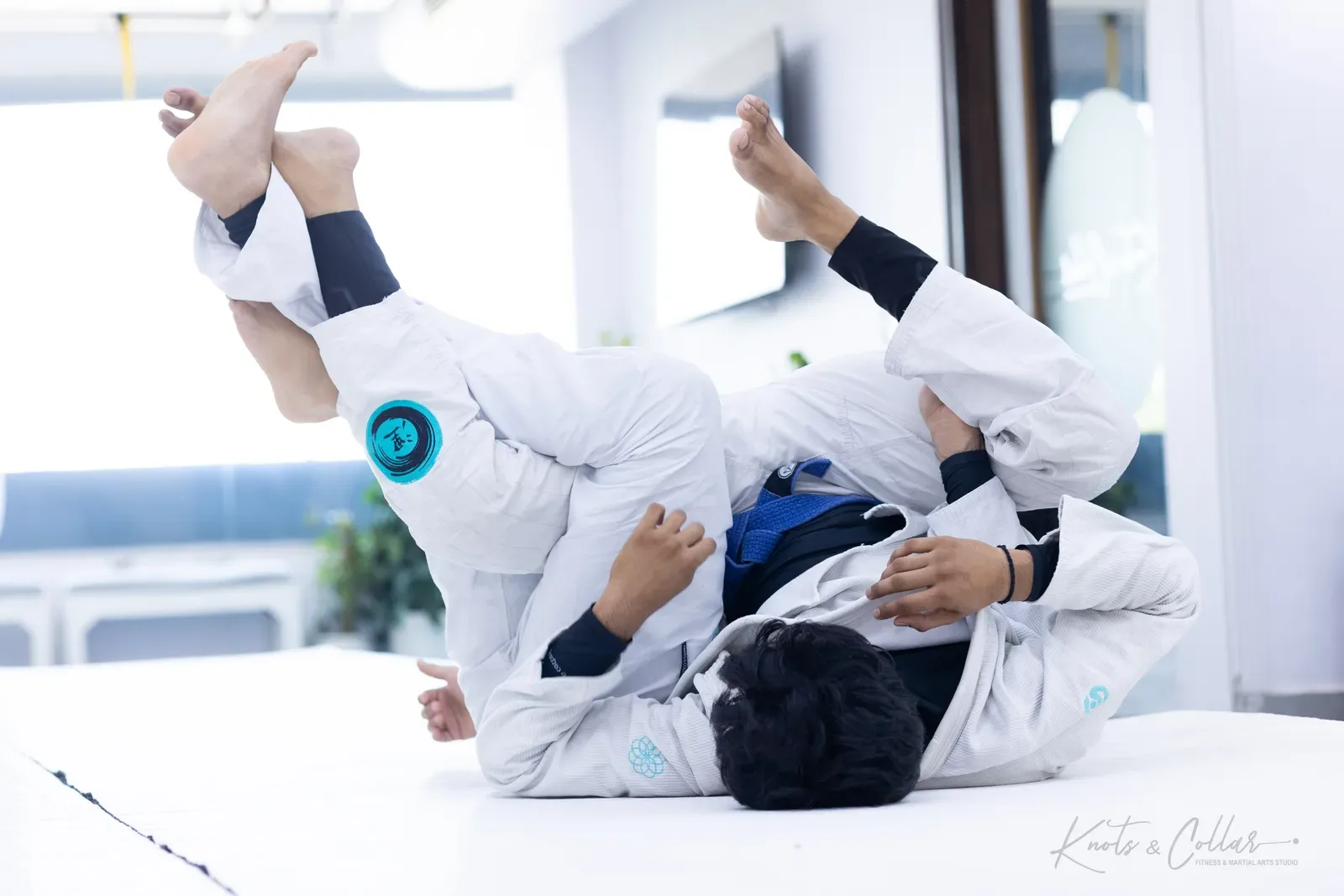
Why "Get Fit First" Is the Wrong Order
Deciding to get fit before starting BJJ sounds sensible, but in practice it usually means never starting at all. The gym becomes a waiting room for a class you keep postponing. The truth is that jiu-jitsu is the training. An hour of drilling and rolling builds stamina, grip strength, core control, and mobility far more specifically than generic workouts, because it trains the exact movements the art uses. Begin now, unfit, and you will be fitter in a month than any amount of "getting ready" would have made you.
What the First Few Weeks Actually Feel Like
Let us be honest: the early weeks are humbling for everyone, fit or not. You will breathe hard, you will feel clumsy, and you will forget techniques the moment you try them against resistance. This is universal — every black belt started here. What matters is that rolling is completely scalable. You set the pace of your own rounds, you can slow down or rest whenever you need to, and coaches deliberately match beginners with partners who train safely. If you want a clear picture of that first experience, our guide to how to roll walks through it.
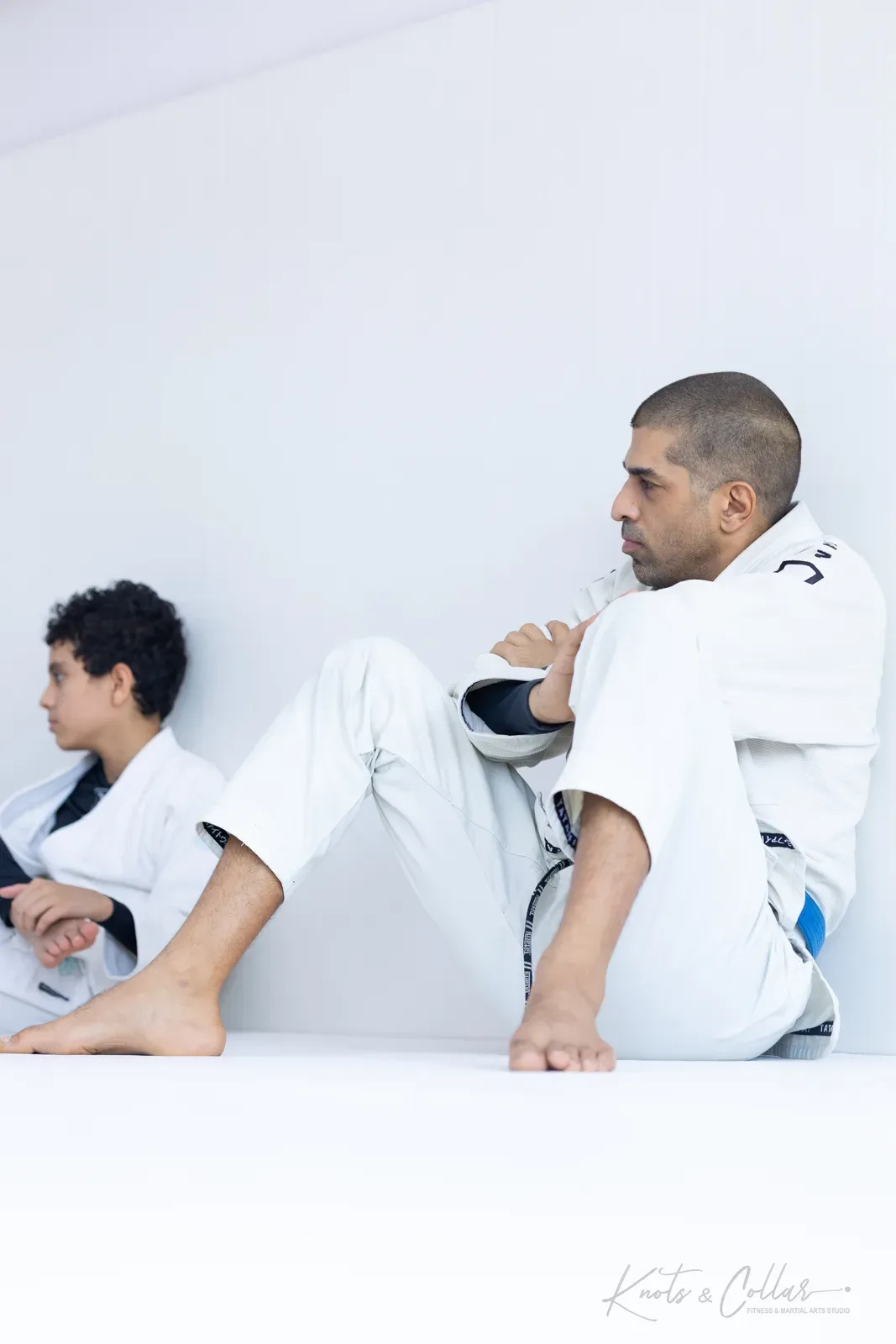
Every Body Type Belongs on the Mat
Because position and technique matter more than power, people of every shape, age, and fitness level train and improve side by side. Someone who is heavier, older, or completely new is not at the disadvantage they fear — in fact, many people find jiu-jitsu is precisely what finally helps them get fitter and lose weight, because it is enjoyable enough to keep doing week after week. If you are wondering about age specifically, our note on starting BJJ over 30 is worth a read, and if you are brand new to the art, our plain-English guide to what Brazilian Jiu-Jitsu is covers the basics.
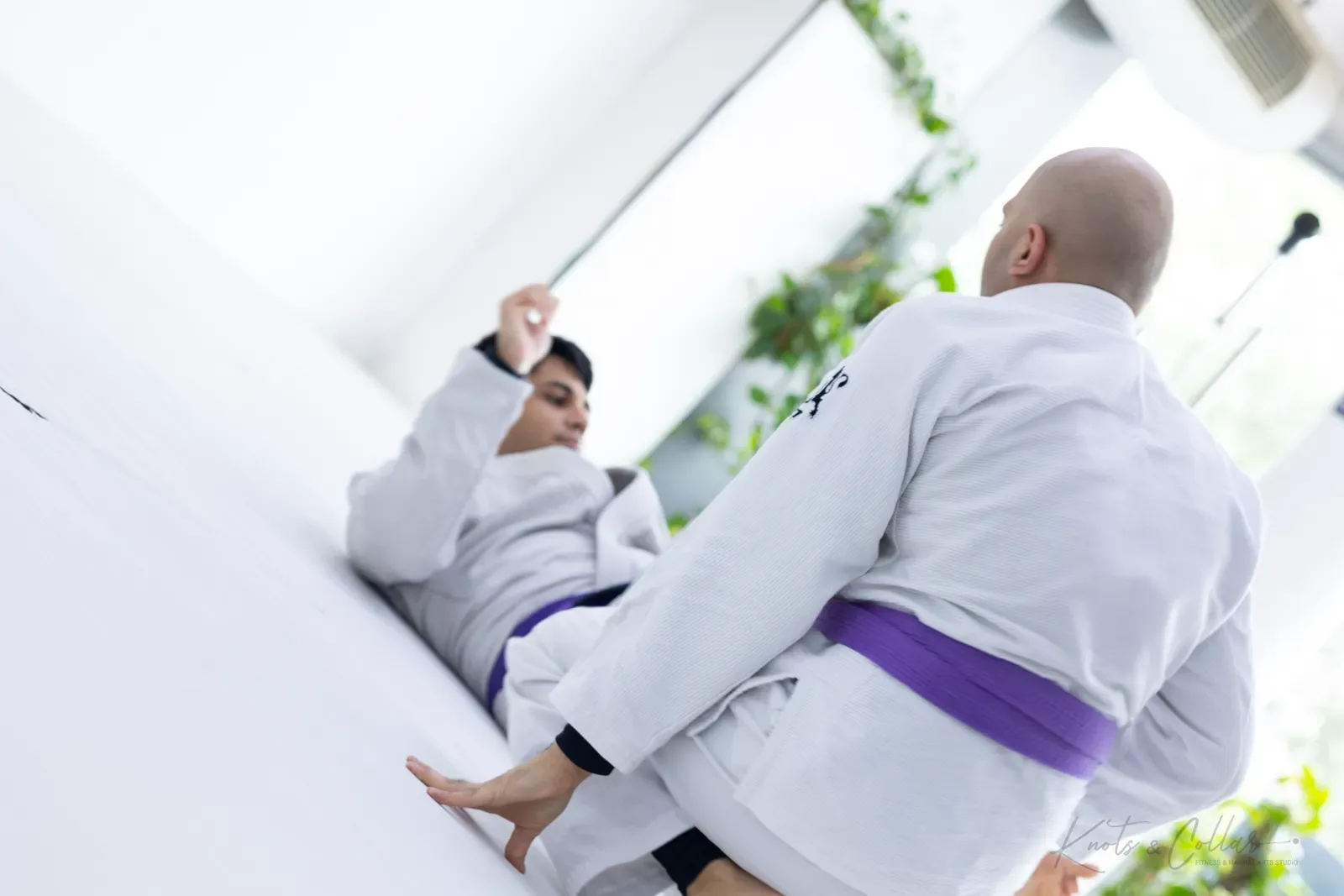
The Fitness Follows
Here is the quiet promise of jiu-jitsu: you arrive to get better at grappling and you leave, months later, genuinely fit — with real, functional strength and stamina you did not train for directly. It works because the training is engaging rather than a chore, and consistency is what actually changes a body over time. Start where you are, keep showing up, and the fitness takes care of itself.
FAQs
Do you need to be fit to start BJJ?
No. You do not need to be fit, flexible, or strong to begin Brazilian Jiu-Jitsu. The art is built on leverage and technique rather than athleticism, so beginners start exactly where they are. Fitness is something BJJ gives you, not something you need before your first class.
Will I be too out of shape for my first BJJ class?
No. Every class is scalable — you control the pace of your own rounds, and you can rest whenever you need to. Coaches are used to complete beginners and match you with partners who train safely. You will breathe hard at first; that is normal for everyone, fit or not, and it improves quickly.
Should I get fit first and then start BJJ?
There is no need to wait. Getting fit first is one of the most common reasons people never start at all. BJJ itself is the training — it builds strength, stamina, and mobility as a by-product. The best time to begin is now, at whatever level of fitness you have.
Does being unfit or overweight put you at a disadvantage in BJJ?
Far less than people expect. Because technique and position matter more than raw strength, students of every body type train and improve together. Many people find BJJ is exactly what helps them get fitter and lose weight, precisely because it is enjoyable enough to keep doing.
How fit do you get from training BJJ?
Very — but gradually and naturally. Regular training builds real, functional fitness: stamina, grip strength, core control, and mobility. Because a class is engaging rather than a chore, people tend to stick with it, and consistency is what actually changes your fitness over time.
Can older or unfit beginners start BJJ in Delhi?
Absolutely. At Knots & Collar in Defence Colony we welcome complete beginners of every age and fitness level, and your first class is free. Come as you are, train at your own pace, and let the fitness follow. Call +91-9717956687 or schedule a visit to try. For more on starting later in life, read how adults begin jiu-jitsu in India.
So do not wait to get fit — let the mat do that for you. Come as you are, train at your own pace, and see how it feels. Your first class is free, seven days a week — schedule a visit and we will see you on the mats. Kindness Over Toughness.